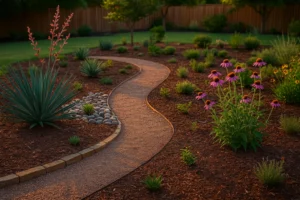

Landscaping is more than decoration. It shapes how people feel outside their homes. A well-designed space brings peace, order, and natural beauty. Not everyone knows where to start. Many look at bare yards and feel stuck. Others want function and style but can’t see a clear plan.
Kdarchitects, led by Roger Morph, brings answers. Their ideas stand out. These designs do not copy trends. They grow from purpose, detail, and the local environment. Roger Morph mixes creativity with balance. He looks at light, soil, slope, and user needs. Every part of his work aims to improve life and use space wisely.
This article will walk through the top landscape ideas from Kdarchitects. Each section gives a clear goal. It shows how small changes can lead to large impact. You will see designs for patios, gardens, paths, water features, and more. Every section includes tips that real people can apply.
Homeowners, designers, and anyone planning a project can use this guide. Whether you have a small backyard or a large plot of land, these ideas will help. Every design comes with intention. Every suggestion works in the real world. Let’s begin with the core ideas behind Roger Morph’s outdoor vision.
The Kdarchitects Design Philosophy
Roger Morph believes landscapes should tell a story. Every shape, plant, and stone plays a part. He does not fill space just to fill it. He asks questions first. What do people need here? How will they move? Where will they rest?
The first rule in Kdarchitects design is “use what you have.” That means working with the land, not against it. If the yard slopes, Morph does not flatten it. He turns it into a terraced garden. If a tree shades the corner, he builds seating there instead of cutting it down.
Morph’s second rule is simplicity. He avoids clutter. Clean lines, native plants, and bold structure give a strong base. This makes it easier to enjoy the space. It also lowers long-term care needs.
Lastly, Roger Morph blends function with feeling. A yard must work well. But it must also feel calm and look good in all seasons. The designs serve families, pets, guests, and nature at the same time.
Idea 1: Add Layers to Build Plant Depth
- Start with low groundcover to fill empty soil
- Add medium shrubs to shape the space
- Place small trees or tall plants at the back
- Mix leaf textures to avoid a flat look
- Use soft plants near rough surfaces
- Choose plants that change with seasons
- Layer heights to improve privacy naturally
Idea 2: Pathways That Guide and Invite
Paths do more than connect spaces. They direct the eye. They say walk here, and look there. Roger Morph often uses stone or brick paths to break wide yards into smaller zones.
A curved path feels casual. It leads the user without rushing them. A straight path feels bold. It fits modern designs well. Morph picks one based on the home’s style and the size of the yard.
He never forgets texture underfoot. A smooth path works near water. A rougher one gives grip near slopes. He also uses low lights along the edge. These look good and improve safety.
Idea 3: Turn Open Areas into Outdoor Rooms
Modern landscapes treat yards like rooms. There’s a dining area. A lounge. A play space. Morph builds outdoor rooms using low walls, planters, or shade structures.
This makes a space feel complete. It helps people use it. A family may eat outside more if the area feels like a real dining room. That means a hard floor, strong chairs, and overhead cover.
Morph also builds privacy into outdoor rooms. He uses screens, hedges, or trees to block wind and neighbors. This turns the space into a retreat.
Idea 4: Water Features with Subtle Impact
Water calms the mind. It masks street noise. It reflects light. Morph often adds a small fountain or shallow pond to his designs.
He does not build huge waterfalls unless the space calls for it. Instead, he uses quiet flow. A narrow stone channel with slow water can bring elegance. He also hides pumps to keep the look natural.
Fountains work best near seating. The sound invites people to rest. Morph makes sure the materials fit the rest of the yard. Stone, steel, or ceramic can all work if used well.
Idea 5: Use Shade Structures That Feel Natural
Sun can ruin a perfect day outdoors. Morph uses shade with care. He may add a wooden pergola, a modern canopy, or a trellis with vines.
These don’t just block sun. They add height and form. A pergola can frame a view. A fabric sail can add a pop of color.
Roger often attaches shade structures to the house. This extends indoor space. But in wide yards, he also builds freestanding ones. These become quiet reading spots or dining nooks.
Idea 6: Fire Pits and Warm Gathering Areas
Fire draws people. Morph often places fire pits at the heart of social areas. He uses stone, steel, or concrete. Every material has its own feel.
The fire area must feel safe. Roger leaves space around the flames. He avoids flammable plants nearby. He also adds low seating with back support.
Lights near the fire pit matter. Morph avoids overhead lights. He picks soft, warm ground lights or lanterns. These keep the mood calm.
Idea 7: Slopes and Elevation Changes That Work With Nature
Many yards have slopes or uneven ground. Roger Morph never treats this as a problem. He sees it as a design advantage. He follows the land instead of forcing it flat.
He adds steps, terraces, or stone paths that match the natural shape. These features help people move easily across the space. Terraces also reduce soil loss and create room for plants or seating.
On steep slopes, he builds retaining walls with care. He softens them with greenery so they blend in. Handrails add safety without harming the look. Every choice respects the land and keeps the design balanced.
Idea 8: Native and Drought-Tolerant Plant Choices
Roger Morph always checks local plant lists. He avoids species that need too much water or care. Native plants work best. They know the soil. They resist local pests.
In dry areas, Morph uses gravel beds, succulents, and strong shrubs. These do not need much water. Yet they look full and green. In wet zones, he uses ferns, moss, and trees that love rain.
Native plants also help bees, birds, and butterflies. Morph often adds small pollinator gardens. These bring life and color to corners that people overlook.
Idea 9: Night Lighting for Beauty and Safety
Darkness can hide all the best details in a yard. Roger Morph knows this. He uses night lighting to reveal shapes, textures, and key features once the sun goes down.
He adds soft lights near steps, paths, and special trees. Lights near water reflect gently, adding calm movement and glow. Nothing feels harsh or too bright.
LEDs help keep energy use low. Many allow warm tones or custom color settings. Morph often matches lights to the season or style of the yard. Every bulb adds safety without ruining the mood.
Idea 10: Make Small Spaces Feel Open
Some yards offer limited space. Roger Morph turns that into a design strength. He uses smart tricks to make small areas feel wide, open, and calm.
Instead of tall solid fences, he prefers screens or slatted panels. These break the view without blocking light. They suggest more space exists beyond. Vertical planters and raised pots also help. They draw the eye upward and create layers.
Light colors play a key role. Pale walls or soft paving make areas feel open. Morph avoids clutter and picks neat plants. Clean lines and simple choices help the space feel balanced, not crowded.
Based on small-lot designs seen across California and the Pacific Northwest.
Idea 11: Let Indoor and Outdoor Areas Blend
Roger Morph loves to blur the line between house and yard. He uses sliding doors, patios at floor level, and matched flooring.
This flow lets people move easily. It also helps light enter the house. It turns both spaces into one larger living area.
He may place a plant bed just outside the window. This gives a garden view year-round. He may also mirror indoor color in outdoor cushions or tiles.
The flow between house and yard becomes even stronger when the home’s layout follows the same design ideas. You can see this in detail in Kdarchitects’ 6 Home Design Ideas You Will Absolutely Like, which pairs well with Roger Morph’s outdoor approach.
Idea 12: Add Edible Plants That Look Great
- Place herbs close to the kitchen door
- Line walkways with leafy greens or lavender
- Use pots near patios for small fruits
- Grow strawberries in raised containers
- Build raised beds to keep areas neat
- Add trellises for beans or grape plants
- Blend food plants with decorative ones
Idea 13: Low-Maintenance Landscapes for Busy Lives
Many people want a yard that stays clean without daily work. Roger Morph designs with that goal in mind. He selects slow-growing plants and places mulch to block weeds. He also groups plants that share the same water needs.
Lawns take time and tools. Morph often skips them. He uses gravel, pavers, or low green groundcovers instead. These stay neat and save effort through every season.
Smart watering systems complete the plan. Morph installs drip lines with timers. These deliver water where it’s needed and stop waste. The result is a space that stays fresh with little demand.
Final Thought: Let the Space Guide You
Great landscapes do more than look good. They last. They adapt. They serve people and nature together. Roger Morph’s work at Kdarchitects shows this with clear skill and steady care.
His ideas grow from the land itself. They blend style with structure. They honor the seasons. They give families space to rest, talk, cook, or think.
If you plan to update your outdoor space, this guide offers real starting points. Use what you have. Keep it simple. Choose plants and paths with purpose. Follow the natural shape of your yard.
With smart planning and a few key changes, your space can feel new again. Roger Morph proves that outdoor design does not need to feel cold or complex. It just needs heart, light, and a clear idea.
Editor’s Note: When I first came across Roger Morph’s work, I felt inspired to rethink my own small backyard. I used two of his ideas layered planting and a low stone seating area, and it changed how I enjoy the space. These designs do not feel out of reach. They work in real homes. Try just one of them, and see how your yard starts to feel more like a place you want to spend time in.
Questions About Roger Morph’s Ideas
What makes Roger Morph’s landscaping style different?
Roger Morph designs with purpose. He uses natural slopes, native plants, and simple shapes to build spaces that feel calm and easy to maintain.
How does Kdarchitects handle small yards?
Small yards use vertical planters, open fencing, and light surfaces to feel bigger. Each element adds space without making the design feel heavy.
Are edible plants part of the design?
Yes, Roger adds herbs, leafy greens, fruit trees, and small vegetables. These blend into the yard without making it look like a farm.
What if a yard has steep slopes or hills?
Roger Morph uses terraces, stone steps, and retaining walls. These control erosion and create flat areas for plants or seating.