
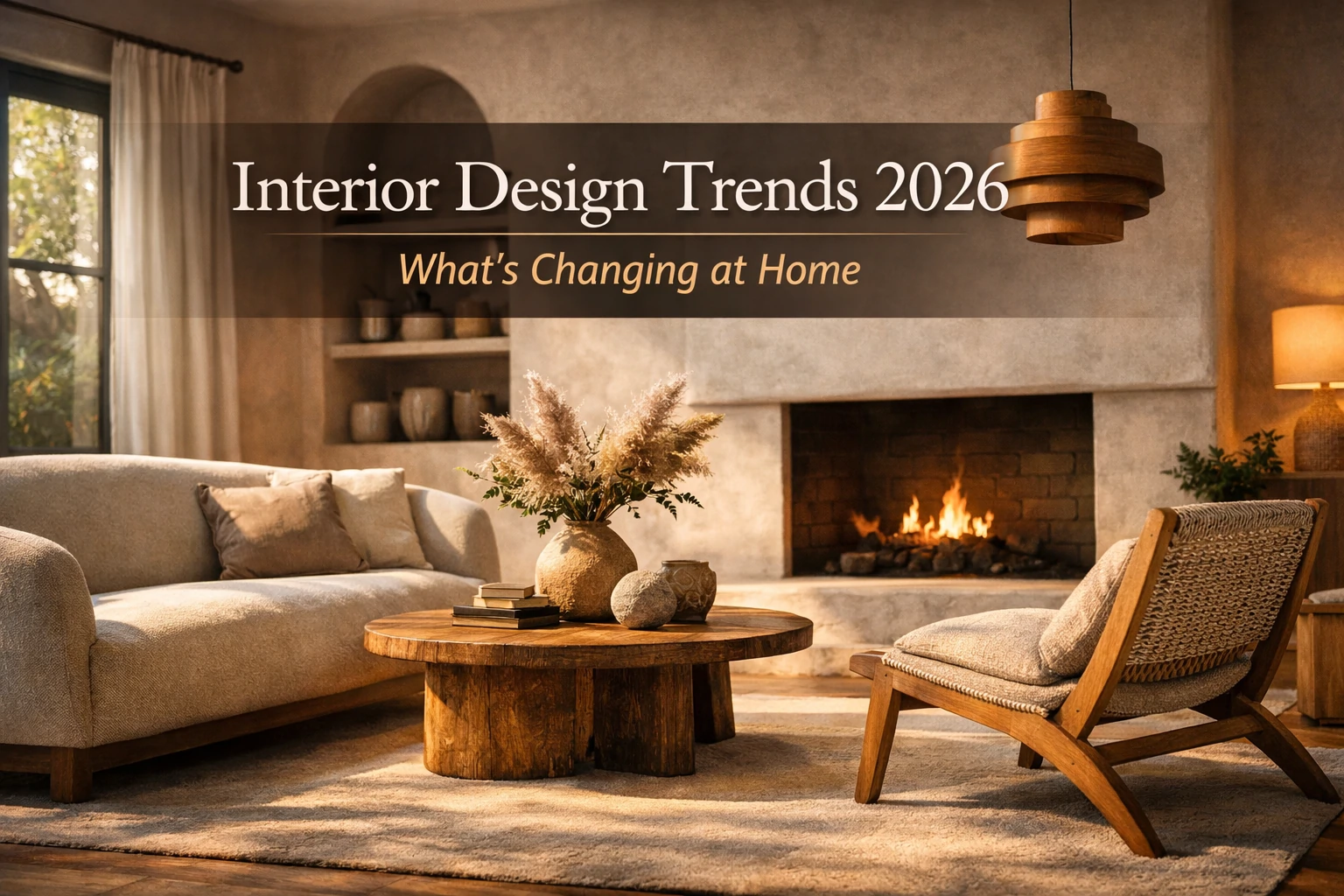
Interior design has moved far from the idea of copying trends. Today’s homes feel warmer, more honest, and more useful. People now care less about showy looks and more about comfort. A room must feel right not just look right.
The change touches everything. Walls set the mood. Furniture fits daily life. Colors soothe, not shout. Materials feel real. Each part of the home now has a purpose. This approach leads to spaces that support how people live.
Design today puts people first. It blends calm tones, soft shapes, and smart use of space. A home must do more than impress guests. It must serve those who live in it day after day.
Warm Colors Feel More Like Home
Color now shapes how people feel inside their homes. In past years, cold shades like sharp gray or bright white filled walls and furniture. These tones looked modern but often felt empty or cold. The shift in 2026 brings warmth instead—soft olive green, deep tan, clay red, and wheat beige now lead the way.
These colors create a sense of peace. They make rooms feel calm, grounded, and welcoming. They work well in every part of the home, from the kitchen to the bedroom. You can pair them with wood floors, woven chairs, or thick wool rugs. Even one small item in a warm shade—a pillow, a curtain, or a lamp an change how a space feels.
White still holds value when used with care. It works well as a background or to highlight shapes. But warm tones now lead the design story. They slow the pace of a room and invite comfort. They help turn a plain area into a softer, more human place to rest and live.
Bedroom Design Trends to Watch
Bedrooms now focus on peace, comfort, and ease. Sharp lines and cold colors no longer shape the space. Soft tones like olive, sand, and pale blush bring warmth to the walls. Natural fabrics add comfort without clutter. Linen sheets, cotton throws, and wool blankets feel calm and clean.
Furniture stays simple. Beds often have storage drawers. Nightstands include quiet charging space. Lights mount on walls to save room. Headboards stay low. Curved shapes and soft lighting slow the mood. Some rooms now include a reading chair or a corner shelf. A small bench adds use and style. Each piece fits the room and supports rest. Nothing feels forced. Everything feels calm.
Living Room Design Trends to Know
Living rooms now aim to feel soft, open, and lived in. The focus moves away from showy furniture. People want simple setups with comfort and warmth. Rounded sofas, deep seats, and low tables replace stiff, sharp lines. Wood and stone bring depth to shelves and coffee tables. These shapes help the space feel easy to move through and enjoy.
Colors stay warm and balanced. Earth tones like clay, wheat, and moss bring calm. Soft curtains, textured rugs, and simple prints support this mood. Lighting also plays a key role. Many homes now use layers—bright for daytime, soft for night. These choices help the room shift with daily needs.
Tech hides in plain sight. Speakers tuck behind panels. TVs blend into the wall like art. Nothing feels loud or out of place. Even decor changes. Handmade pieces, wall textures, and soft art give life to blank spots. The result is a clean, quiet room that feels ready for rest or guests.
You can also explore tools like the AI Interior Design Slider Magic Brush to test layout and color ideas before changing your space.
Curves Make Rooms Feel Softer
Rooms now feel softer in shape. The trend has shifted from sharp angles to flowing lines. Curved edges now define sofas, chairs, tables, and even shelves. These shapes feel more human—less rigid, more relaxed.
Curved furniture invites movement. You flow around it instead of bumping into it. Arched mirrors, round coffee tables, and oval-backed dining chairs create a sense of ease. They also break the flatness of traditional layouts.
You don’t need to replace all furniture. Start with one rounded item. A looped lamp, circular rug, or curved bench can soften the room. These shapes echo naturewaves, hills, and flowing air.
This style pairs well with soft lighting and warm textures. The result feels welcoming without looking busy. It slows the eye and lifts the mood.
Fun Fact: Curved Design Isn’t New
Curved shapes feel fresh in today’s homes, but they’ve been part of design for centuries. Arches appeared in ancient Roman architecture. Rounded furniture became popular again during the 1970s. Today, curves return with softer edges, showing that comfort and flow never really go out of style.
Real Materials Build Trust
Design now leans toward real materials. Wood, stone, clay, linen, and wool return to homes with purpose. These elements last longer, age with beauty, and offer rich texture. They bring weight and honesty to every room without needing polish.
People avoid plastic finishes and glossy imitations. Real wood shows its grain and knots. Stone feels solid and cool. Clay vases often hold small marks from the hands that made them. These signs of truth add life to a space. They make it feel grounded and real.
You don’t need to use much. A raw linen throw, a wood stool, or a terracotta pot makes a strong start. These pieces mix well with other styles. They support slower living, less clutter, and more care. Each real item adds value. It doesn’t need to look perfect. It just needs to feel true.
Spaces Must Do More
Homes now work harder than before. One room often takes on many roles office, lounge, studio, or gym. The shift to remote work and hybrid living has changed how people use space.
This change has sparked smart design. Instead of building new rooms, people now adapt what they have. A few clever tools make this easy:
- Folding desks and stackable chairs make setup and storage fast.
- Bookcases and curtains divide open areas into separate zones.
- Smart lighting and hidden storage change a room’s use with one small switch.
You don’t need to remodel. A hallway can hold files. A bedroom corner can fit a desk. A guest room can hide a treadmill behind a panel. These flexible spaces reduce stress and keep your home ready for anything.
Handmade Pieces Add Soul
Mass-made furniture now takes a step back. People want things made with care. Handmade pieces carry quiet value. A carved stool, a woven lamp, or a hand-painted bowl adds depth without drawing loud attention. These items do not need perfect shape. Their small flaws show real work and make a room feel alive.
You can find them from local makers or create them yourself. The price matters less than the meaning. These objects hold spirit and connection. They help your space feel personal. A few thoughtful pieces can break the cold look of a catalog-style room and bring comfort, charm, and human touch into daily life.
| Handmade Item | Purpose |
|---|---|
| Woven Lamp | Adds texture and mood |
| Painted Ceramic Bowl | Adds color and warmth |
| Carved Wood Stool | Natural accent piece |
You can read more about how interior design affects mental health here.
Tech Must Stay Hidden
Technology keeps growing, but its place in the home has changed. Flashy wires, blinking gadgets, and bulky devices no longer set the tone. Modern design now hides these tools. People want function without clutter, ease without constant reminders of the tech around them.
Speakers now tuck behind walls or shelves. Lights adjust through voice, and cords vanish inside drawers or furniture. Even televisions no longer grab attention they rest like framed art when off. These updates help rooms breathe. The space feels clean, not crowded with tools.
Good tech serves the home quietly. It supports without leading. Smart bulbs shift tone through the day. Charging docks slip into side tables. Everything works in the background, so people focus on comfort, not screens. This new approach lowers stress and keeps design in control.
Don’t Overlook Ceilings and Walls
Flat white ceilings and plain walls no longer shape today’s homes. Designers now treat them as creative space. Soft paint, wood beams, or textured finishes help turn empty surfaces into visual stories. These touches add depth, shape, and a sense of height to a room without needing bold colors.
Some ceilings now feature warm tones like sage, dusty rose, or deep navy. Others use woven panels or exposed wood to break up blank space. Walls shift from simple paint to lime wash, clay plaster, or quiet paneling. These textures catch light in new ways and soften the edges of the room.
Small changes still create strong effects. A dark wall behind a bed or a colored ceiling in a small study brings fresh energy. Adding trim, molding, or low-profile framing helps walls feel layered without looking busy. These design choices guide the eye and lift the mood, reminding people that beauty can live above the usual line of sight.
Greenery Still Brings Life Indoors
Green life still matters in modern homes. Plants clean the air and help calm the mind. They add movement, shape, and quiet energy to any room. From living areas to bedrooms, plants fit every style without effort.
Snake plants, pothos, and rubber trees grow well indoors. Kitchen herbs add scent and daily use. Small desk plants refresh tight spaces. Large plants fill empty corners, and hanging ones soften ceilings. Over time, plants grow and change, which reminds people to slow down and care. Few design choices give so much with so little effort.
Design That Lasts and Feels Right
Interior design in 2026 feels honest and calm. It values space, time, and purpose. Homes now support work, rest, and joy without pressure to impress. Trends no longer push people to spend more but ask them to choose wisely each wall, light, and object should serve a clear need. You don’t have to follow every new idea. Just pick what fits your life. Add a soft color, hang a curved mirror, or swap plastic for something handmade. Good design takes time. It grows with you, stays quiet, and makes space feel like home.
Frequently Asked Questions
What colors are most popular in interior design right now?
Warm earth tones like olive green, clay red, wheat beige, and deep tan are leading choices. These shades make rooms feel calm, natural, and more lived in.
How are living rooms changing in design?
Living rooms now focus on comfort and softness. Rounded furniture, layered lighting, and earth-tone colors replace harsh lines and cold palettes.
Why are curved shapes used more in homes?
Curved shapes help spaces feel soft, safe, and open. They also echo natural forms like hills and waves, making homes feel more peaceful.
What materials are trending in modern homes?
Designers now favor real materials like wood, clay, stone, wool, and linen. These last longer and add texture without looking overdone.


Pingback: How to Design Seamless Interiors That Feel Natural | 12 Tips