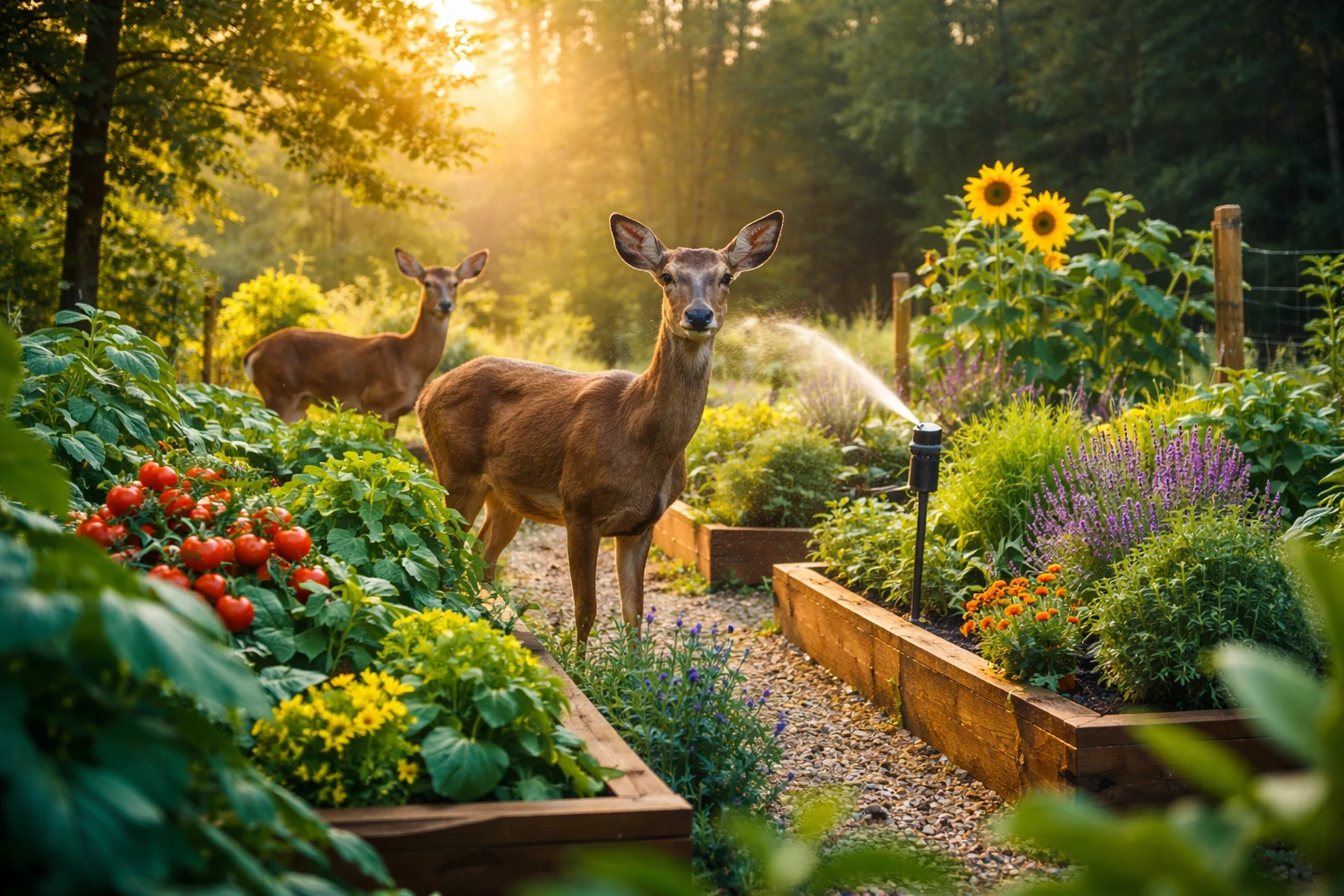
Deer can turn a peaceful garden into a mess overnight. They eat leaves, flowers, fruits, and new shoots. Most people do not see it coming. One day the plants look perfect. The next morning, half the garden is gone. Deer leave behind tracks, droppings, and chewed stems.
This problem affects many areas across the country. As forests shrink and towns grow, deer move closer to homes. Gardens offer easy meals. Fresh plants and soft ground make perfect spots to graze. If deer visit once, they often return.
Some people ignore the problem until it grows. Others spend money on tools that do not work. But there is a better way. You can take simple steps that stop deer without harm. You can protect your plants with smart changes and steady care.
This article shows how to do that. It gives you clear tips that work. It helps you guard your garden without stress. You do not need to trap animals or spend a lot. You only need a plan that makes deer stay away.
Deer Choose Gardens With Easy Food
Deer go where food is simple to reach. A garden full of vegetables, fruits, and soft plants looks perfect to them. They follow smells and quiet paths. They stay near trees and water. If your home sits close to woods, deer will likely visit.
They often come at dusk or dawn. These times feel safer to them. They avoid places with people or loud noise. But they do not need much space. Even a small yard can attract them.
Deer love roses, tulips, beans, lettuce, and soft fruit. They also eat tree bark in cold months. If they find a meal in one spot, they may return every week.
You must make your garden hard to reach and less tasty. A smart plan helps shape the space in ways that confuse deer and support plant health. Read this guide on vegetable garden layout plans and spacing to build a stronger defense through smart design.
Fencing Works When Done Right
The best way to block deer is to build a strong fence. But the fence must be high. Most deer can jump over five or six feet. Some can clear eight feet with ease. A short fence only works as a weak signal.
Use tall posts and solid material. Keep the bottom close to the ground. Gaps give deer a way in. Use wire mesh or wooden boards. Make sure the fence does not lean or sag.
Some people build a double fence. One layer stands outside. A second layer sits a few feet inside. This tricks deer. They do not like narrow spaces. They fear getting stuck.
Fencing costs more at first. But it lasts. It protects plants day and night. It does not stop working after rain. Once it stands strong, it does its job.
Deer Hate Sudden Sounds or Movement
Deer feel nervous in new places. They fear danger. If a garden has strange sights or noise, they may stay away. You can use this to your advantage.
Sprinklers that turn on with motion scare deer. They spray water and make noise. A soft burst of water can push a deer to leave. These tools do not harm animals. You can place them where deer often enter.
Some gardeners hang shiny objects. Old CDs, foil strips, or mirrors flash in the sun. Wind makes them move. Deer dislike this light and motion.
Other people use chimes or small bells. These make soft sounds when the wind blows. The noise breaks the calm. Deer do not enjoy strange sounds.
Fake owls or dogs can also help. But you must move them often. Deer learn fast. If a scarecrow never shifts, it loses power.
How to Keep Deer Out of Garden Naturally
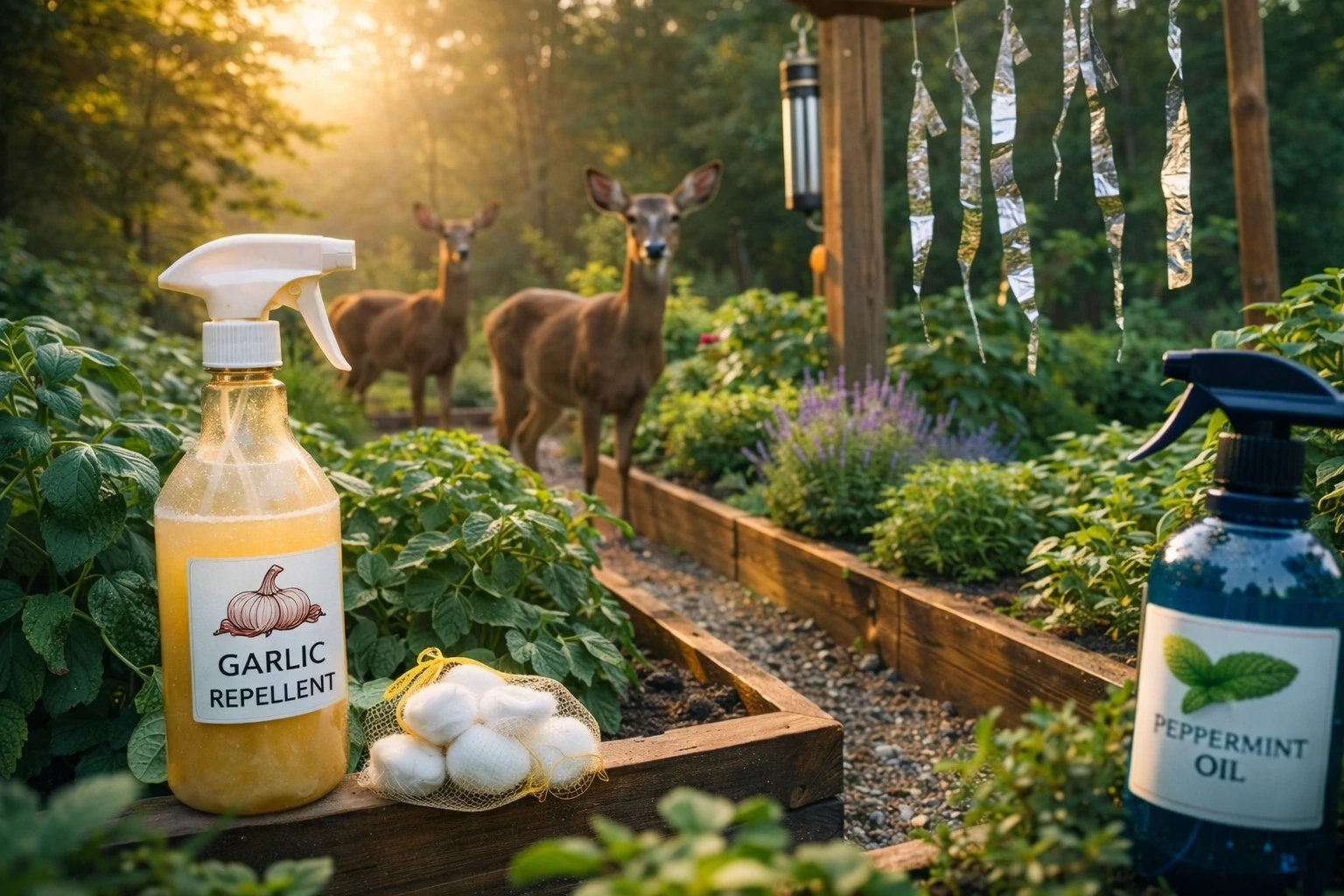
You can stop deer without traps or strong chemicals. Natural methods work if used often. Try garlic, chili, or vinegar to block scent trails. Soak cotton balls in the mix and place them near plants. Use peppermint, clove, or cinnamon oils as sprays. These fade fast, so reapply often. Hang wind chimes, foil strips, or tin cans. Deer avoid sound and fast movement they do not expect.
These tools do not harm animals or plants. They work best when mixed and used early. If you want a chemical-free space, focus on strong smells, light motion, and noise. This path takes time, but it can keep your garden safe and natural. If you want more tips to improve your space, check out this trusted garden advice by Homenumental for ideas that work across all seasons.
Plant Smells That Deer Dislike
Deer use smell to find food. Strong or odd scents can push them away. These plants help lower the risk of deer visits:
- Lavender: Sharp scent and rough leaves
- Rosemary: Woody herb with a strong smell
- Sage: Soft, fuzzy leaves and earthy scent
- Mint: Intense aroma that spreads fast
- Marigolds: Bright flowers with a bold scent
- Daffodils: Toxic to deer and taste unpleasant
- Poppies: Bitter and not attractive to grazers
Place these around garden edges or near tender crops. They act like a natural barrier. If you grow fruits or soft greens, use these plants to guard the border.
How to Keep Deer Out of Garden Without Fence
You can stop deer without building a fence. Some gardens need a no-fence plan. You may rent the land, lack space, or want to avoid the cost. These methods can still work well.
Best ways to keep deer away without a fence
Use motion sprinklers
- Place them near entry points
- Deer fear sudden water and noise
Hang reflective objects
- Use foil strips, old CDs, or pinwheels
- Flashing light and movement scare deer
Grow strong-smell plants as a border
- Rosemary, lavender, mint, and sage work well
- Strong scent helps break deer scent trails
Create rough walking paths
- Add gravel or rocks near beds
- Deer avoid sharp, uneven ground
Use thorny plants near edges
- Plant them near paths deer use
- Deer avoid scratchy barriers
Place strong-smell items around the garden
- Soap bars in mesh bags
- Garlic stakes near beds
- Bags of human hair near entry points
- Change these every few weeks
Quick reminder
- Deer learn fast
- Rotate tools every 2=3 weeks
- Mixing smell + motion gives stronger results
How to Keep Deer Out of Your Garden With Fishing Line
Fishing line can act like an invisible wall. You stretch it across posts or between trees. Set the line about two to three feet above the ground. Use strong clear line and tie it tight. Deer do not see it. When they touch it, they back away.
Add a second line higher up if needed. You can build a full loop around beds or single rows. This trick works best in small areas. Keep the line clean and check often for breaks. Replace loose or sagging lines right away.
This method works at night or early morning. Deer walk forward and feel the line across their chest or legs. That shock makes them stop. It may not stop every deer, but it helps block the easy path.
Spray Repellents on Plants and Paths
Some gardeners spray mixes that taste bad or smell foul. These sprays keep deer from chewing on leaves and buds. You can buy them or make them at home.
Most sprays use garlic, eggs, or chili. These smells stick to plants. They fade over time, so you must spray again every week or two.
Homemade sprays also work. You can mix water with garlic powder, soap, and an egg. Shake it well and spray on plant leaves. Avoid spraying food right before you pick it.
If one spray stops working, switch the mix. Deer get used to smells. Changing things keeps them off guard.
Small Fences Can Guard Individual Plants
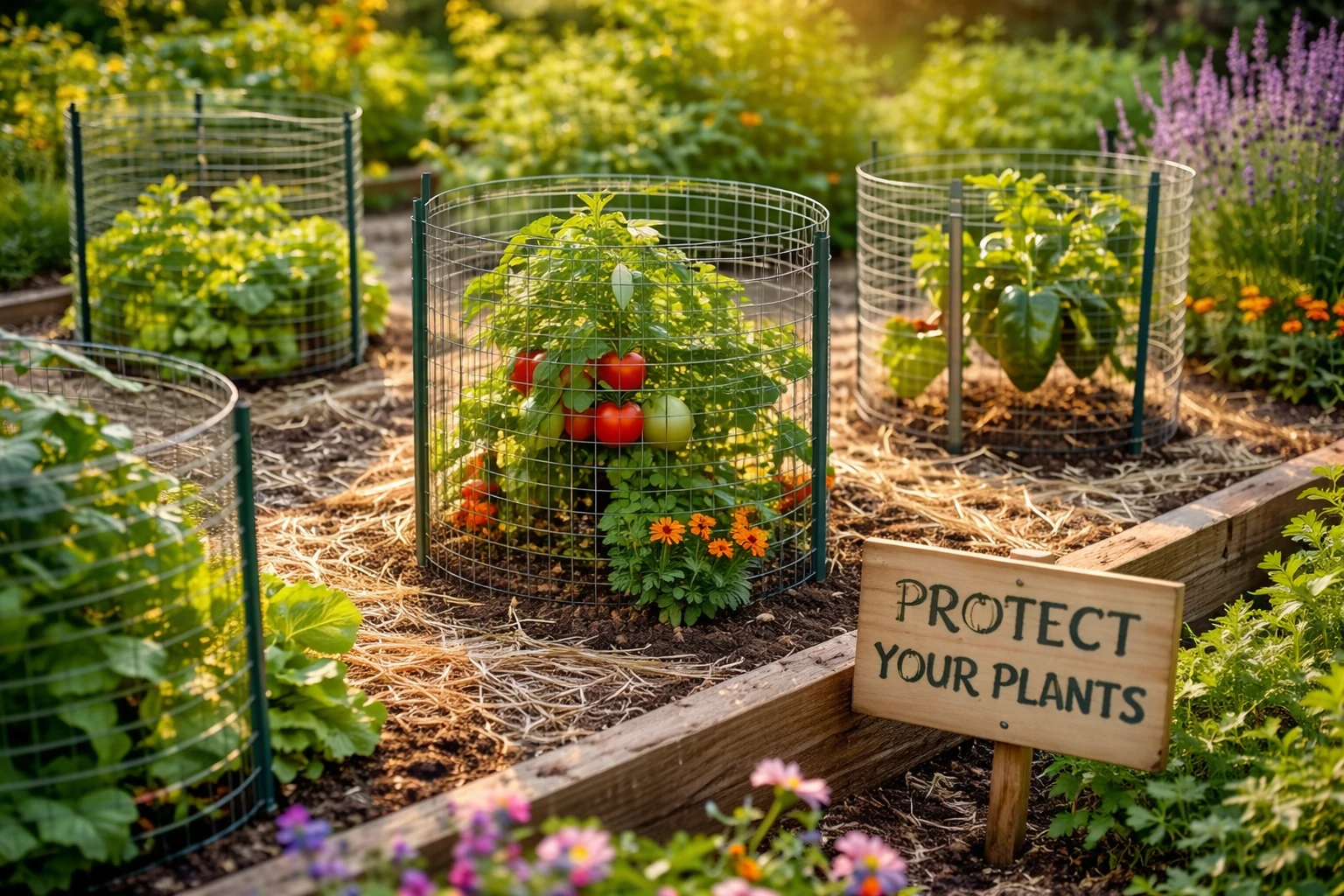
You do not always need a full yard fence. You can protect certain plants with small barriers. Trees, shrubs, and flower beds can sit inside wire cages. These keep deer from chewing stems or rubbing bark.
Tree guards protect trunks in fall. Male deer rub their antlers on trees. This strips the bark. A tree guard stops the damage.
You can also use fabric to cover vegetable beds. Mesh or row covers work well. They keep deer out and help stop bugs too.
These tools work best for small areas. They cost less and take little time to install.
Layout Matters More Than You Think
The way you build your garden can help keep deer away. Raised beds, slopes, and uneven paths confuse deer. They prefer flat ground with open space.
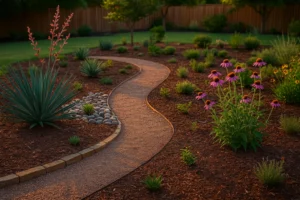
Add rocks or gravel near borders. Deer do not like to walk on rough paths. Thorny plants along fences also help. They stop deer from stepping close.
If you mix plant types, place less tasty ones near the edge. Put fruits and greens in the center. This makes it harder for deer to reach them.
Build paths that twist. Avoid long straight lines. Deer feel unsure in narrow or curved spaces. This small step helps more than most people expect.
Would a deer feel safe walking across your garden? If you have wide open rows, soft soil, and no motion, the answer might be yes. Start small add a few obstacles, smells, or light distractions.
Dogs Help Just By Being Near
Deer fear dogs. A barking dog or even dog scent keeps them away. If you own a dog, let it walk the yard often. The smell alone may do the trick.
If the dog plays outside, deer may never come close. Some people even place dog hair around the garden. It may sound odd, but it works in some cases.
You can also try noise tools. Motion lights and alarms scare deer. If they hear sound after stepping near, they may not return.
These tools do not work alone forever. Deer get used to patterns. Change the setup often. Keep deer guessing.
Common Mistakes Gardeners Make
| Mistake | Why It Fails |
|---|---|
| Low or weak fences | Deer can jump over short fences or push through gaps. |
| Forgetting to reapply spray | Rain or time weakens the smell. Without fresh scent, deer return. |
| Planting soft greens near edges | Tasty plants near garden edges give easy access. |
| Leaving fruit or scraps on the ground | Old food draws deer and teaches them your garden has snacks. |
| Using only one method | Deer adapt fast. One trick may work once, but not for long. |
Mix your tools. Use one scent, one motion device, and one layout fix. Don’t repeat the same trick. Deer learn quickly. Change the setup every 2-3 weeks.
If the Problem Grows, Ask for Help
Some gardens sit in high deer zones. In these places, you may need more support. Talk to local nature groups or town offices. They may know safe steps or offer tools to help.
Do not trap or hurt deer. That brings legal risk and can cause harm to pets or other animals. Work with nature, not against it.
In some areas, experts help with fencing or deer plans. They may know what works best for your location. Every yard is different. Every solution needs a local touch.
Keep Your Garden Safe From Deer
Keeping deer out of the garden takes effort, but it works. You do not need magic. You need steps that make deer turn away.
Start with a tall fence or guard your most loved plants. Add smells, sounds, and motion. Grow herbs that deer avoid. Make your layout hard to walk. Let your dog help if you have one.
Most of all, stay alert. Fix gaps. Change smells. Move tools. Deer test your plan. Show them it does not break.
Your garden can stay safe. It can bloom and grow without fear. You control the space. You guide what comes in.
This plan is simple. It works. And it gives peace of mind.
Frequently Asked Questions
What smell do deer hate the most?
Deer dislike strong smells like garlic, mint, clove, and rotten eggs. You can spray these scents on leaves or use them around the garden edge to keep deer away.
Do motion lights scare deer away?
Deer often turn away when motion lights flash. These lights make them feel unsafe. Use them near paths, fences, or soft crops for better results.
Will human hair or soap bars stop deer?
Many gardeners place bags of hair or soap around the garden. The scent can confuse deer and block their usual path. Change them every few weeks to keep the smell fresh.
Can deer jump over a six-foot fence?
Most deer can jump six feet with ease. For better protection, build a fence at least eight feet high or use a double fence setup.
Do deer eat tomato plants and vegetables?
Deer enjoy soft crops like tomatoes, beans, and lettuce. You must guard these plants early with covers, scents, or cages to stop damage.