
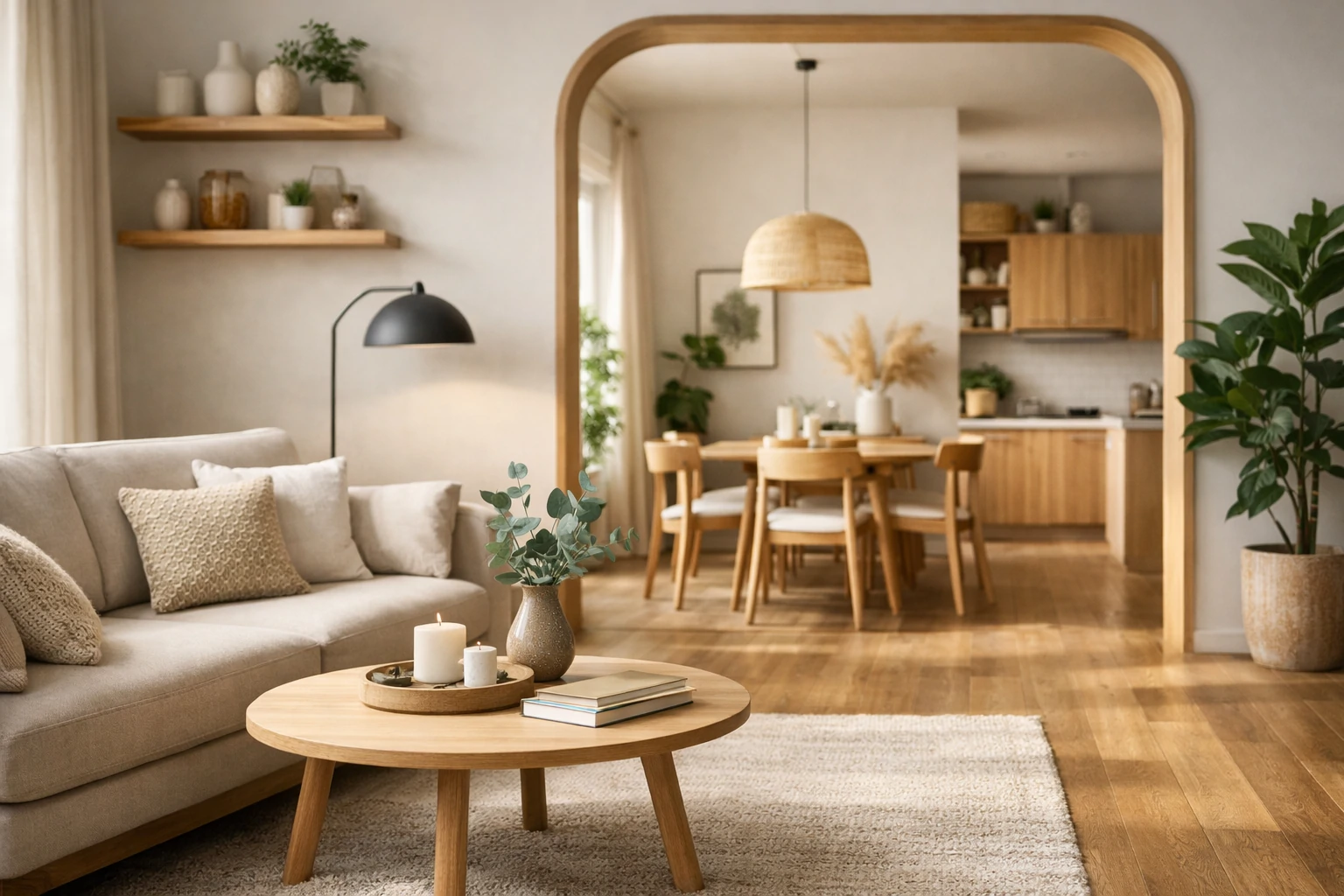
Homes feel better when everything works together. A seamless interior does not shout for attention. It feels quiet, clear, and natural. Each room connects without effort. Nothing feels out of place. People often notice comfort before style. That comfort comes from good design flow.
Many homes fail at this point. Rooms look nice on their own but feel broken as a whole. Colors clash. Layouts stop suddenly. Furniture blocks movement. These problems do not need luxury budgets to fix. They need clear thinking and smart choices. Seamless interiors rely more on planning than on price.
This piece explains how seamless interiors come together in real homes. The focus stays on simple choices that improve flow and balance. Each section adds another layer of clarity. The result supports daily routines and creates spaces that feel settled and complete.
Content Overview
ToggleHow Seamless Interiors Come Together
Seamless design focuses on flow. Rooms connect in look and feel. Nothing feels forced. Each space supports the next one. The home tells one clear story from start to end.
This idea does not mean every room must look the same. Variety still matters. The key lies in controlled change. Colors shift softly. Materials repeat with small variation. Furniture styles stay related. Lighting supports mood instead of breaking it.
Seamless interiors also support daily life. Movement stays easy. Storage feels natural. Spaces adapt to real habits. The design works with people, not against them. That balance sets strong homes apart from styled showpieces.
Start With a Clear Design Direction
Every seamless home starts with one direction. This direction guides all choices later. Without it, rooms drift apart. Styles mix without purpose. The home loses identity.
Choose one main mood. Calm, warm, modern, classic, or natural. Stick with that mood through the entire space. Small accents can change tone, but the base stays steady. This keeps the home grounded.
Looking at current interior design trends can also help refine direction, as long as choices support flow and long-term comfort rather than short-term style.
Write the direction down in simple words. Use short notes. Warm neutrals. Soft light. Clean lines. Natural textures. This list becomes a filter. Each choice must match it. If not, skip it.
Create a Smooth Color Flow
Color creates the strongest visual connection between spaces. Seamless interiors rely on a limited color range that repeats across rooms. When shades stay related, the eye moves smoothly from one area to the next. Soft transitions matter more than bold contrast. Sudden color shifts can break flow and distract from the overall feel of the home.
Start with one base color and apply it to walls, floors, or large furniture pieces. Add one or two supporting colors through accents, textiles, or artwork. Neutral tones suit most homes and offer long-term balance. Beige, warm gray, soft white, and muted earth shades work well together. Strong colors can still play a role when used with care and repeated in small details to keep continuity intact.
Simple Color Flow Guide
| Area Type | Best Color Approach |
|---|---|
| Living spaces | Warm neutrals with one accent |
| Bedrooms | Soft muted tones |
| Hallways | Light versions of main color |
| Open layouts | Same base color throughout |
Use Flooring to Connect Rooms
Flooring acts like a visual road. When it changes often, flow breaks. Seamless interiors reduce flooring shifts. One main floor type across connected areas works best.
Wood, tile, or polished concrete all work well. Texture and tone matter more than material. Keep color consistent. Avoid high contrast patterns between rooms.
Area rugs add comfort without breaking flow. Use similar rug tones in different spaces. Change size or texture instead of color. This keeps interest without chaos.
Keep Furniture Styles Related
Furniture shapes the mood of a space almost at once. Seamless interiors rely on one clear furniture direction that carries through the home. Lines, shapes, and finishes should relate to each other across rooms. This does not mean every piece must match, but they should speak the same visual language. When furniture styles connect, rooms feel calm and intentional.
Mixing styles works only with careful balance. A modern sofa can pair well with simple wood chairs when colors stay aligned. A classic table can fit into a clean space if finishes support the overall tone. Size also plays a key role in flow. Large pieces can block movement, while small ones can feel out of place. Choose furniture that suits the room scale and leave enough space around each piece to keep areas open and easy to move through.
Plan Layouts Around Movement
Good flow starts with how people move through a home. Spaces should allow easy movement without pauses or obstacles. Clear walkways help rooms feel open and calm. Furniture should support natural paths instead of cutting across them. When movement feels smooth, the entire space feels more comfortable and usable.
Entry points shape the layout more than any other element. Doors, hallways, and open passages create the main flow lines of a home. Furniture should sit outside these lines to avoid crowding. Smooth turns matter as well. Tight corners or sudden blocks can interrupt movement and make rooms feel smaller than they are.
Open layouts require extra attention to movement and structure. Zones work best when defined through rugs, lighting, or careful furniture placement. Each area should have a clear role without breaking the overall flow. When zones connect visually and functionally, the home stays practical and feels unified from one space to the next.
Use Lighting as a Linking Tool
Lighting helps tie interior spaces together on an emotional level. Seamless interiors rely on steady light warmth to keep rooms calm and connected. One light temperature should serve most areas, with warm white working well in living spaces. Using the same bulb tone across fixtures prevents visual disruption. Layered lighting adds depth and comfort, with ceiling lights setting the base, lamps softening the space, and accent lights drawing attention to key features. Fixture styles should relate to each other, and matching finishes such as black, brass, or chrome help maintain a unified look.
Repeat Materials With Variation
Materials add texture and depth to interior spaces. Seamless design repeats materials with small variations that keep rooms connected. Wood, stone, fabric, and metal should appear in more than one area to create balance and continuity across the home.
Wood works well on floors, furniture, and shelves when finishes stay related. Stone fits best on counters and select decor pieces. Fabrics should share similar tone or weave to support visual comfort. Sudden material shifts can feel harsh, especially when gloss meets rough surfaces. Smooth transitions add richness without creating visual noise.
Keep Visual Clutter Under Control
Visual clutter disrupts flow and reduces comfort. Seamless interiors depend on calm surfaces that allow the eye to rest. Storage choices shape this balance more than decoration alone. When items stay organized and out of sight, spaces feel larger and more controlled.
Closed storage helps maintain order and works well in most rooms. Cabinets, drawers, and built-ins keep daily items hidden and easy to access. Open shelves require care and restraint. Limit what you place on them and group items with purpose. Decor looks more balanced in small odd-number groupings, such as three or five pieces. Spread visual weight across the room and avoid crowding one area while leaving others empty.
Use Small Details to Connect Rooms
Small details link spaces quietly. Door handles, trim, hardware, and finishes all matter.
Choose one metal finish and repeat it. Use the same door style throughout the home. Keep trim height and style consistent. These details work in the background but shape the whole experience.
Textiles also help. Curtains, cushions, and throws can share fabric tones or textures. This adds comfort and continuity at the same time.
Design Open Plans With Care
Open plans look easy but need discipline. Everything shows at once. Mistakes stand out.
Use one main palette across the open area. Change textures instead of colors. Define areas with furniture and rugs, not walls. Lighting helps define zones without blocking sight lines.
Kitchen design matters most here. Cabinet color should match or support living areas. Counter materials should echo other surfaces in the space. This keeps the open plan calm and connected.
Balance Personality Without Chaos
Homes need character to feel lived in and welcoming. Seamless design does not remove personality or personal taste. It gives those elements a clear structure. When personal touches follow the same visual direction, they add warmth without creating disorder.
Personal items should support the overall tone of the space. Family photos look more cohesive when frames share a similar style or color. Art feels stronger when themes or textures relate across rooms. A bold feature wall can work well when the surrounding walls stay calm and simple, which helps maintain balance.
Random additions can weaken the sense of flow. Each item should serve a purpose, whether visual or functional. Thoughtful placement allows personality to show without overwhelming the space. This approach keeps interiors expressive, comfortable, and easy to enjoy every day.
12 Simple Tips for a Seamless Look
Decide on a clear style at the start. Let every room follow the same design direction.
Common Mistakes That Break Flow
Some errors appear often. Knowing them helps avoid problems.
- Too many color changes between rooms
- Mixing furniture styles without a plan
- Ignoring lighting consistency
- Blocking movement paths
- Overdecorating open shelves
Each mistake breaks flow in a different way. Fixing even one can improve the whole home.
How Seamless Design Fits Daily Life
Seamless design improves daily life in simple but meaningful ways. Spaces feel easier to use, movement stays natural, and cleaning takes less effort because clutter and obstacles stay minimal. Calm layouts support routine instead of working against it. Visual order also improves mental comfort, as balanced spaces reduce stress and help focus throughout the day. Guests often feel welcome right away, since homes with good flow feel open, relaxed, and comfortable even when the reason is hard to explain.
Research on how interior design affects mental health shows that calm layouts, balanced colors, and visual order can reduce stress and improve daily focus.
When Professional Help Makes Sense
Some homes benefit from professional input, especially when layouts feel complex or major changes take place. Designers often spot issues early and offer practical solutions that prevent costly mistakes. Even a short consultation can improve color flow or layout decisions and save time later. Many designers also provide room-by-room advice, which allows homes to improve gradually while keeping a clear and consistent direction.
Final Thoughts on Designing Seamless Interiors
Seamless interiors rely on clarity and intention. Each design choice should connect to the next in a natural way. Nothing feels random or forced. When elements relate to each other, the home tells one calm and consistent story from room to room.
Strong design does not depend on trends or constant updates. It grows from balance, flow, and thoughtful care. Small adjustments often create the biggest impact when direction stays clear. A steady vision helps every decision support the overall feel of the space.
When rooms work together, homes feel complete and comfortable. Daily life becomes easier, and spaces stay pleasant over time. Seamless design turns a house into a place people enjoy living in, not just looking at.



Pingback: What Are Common Living Room Layout Mistakes?
Pingback: Fpmomlife Parenting Guideline | FamousParenting Approach