
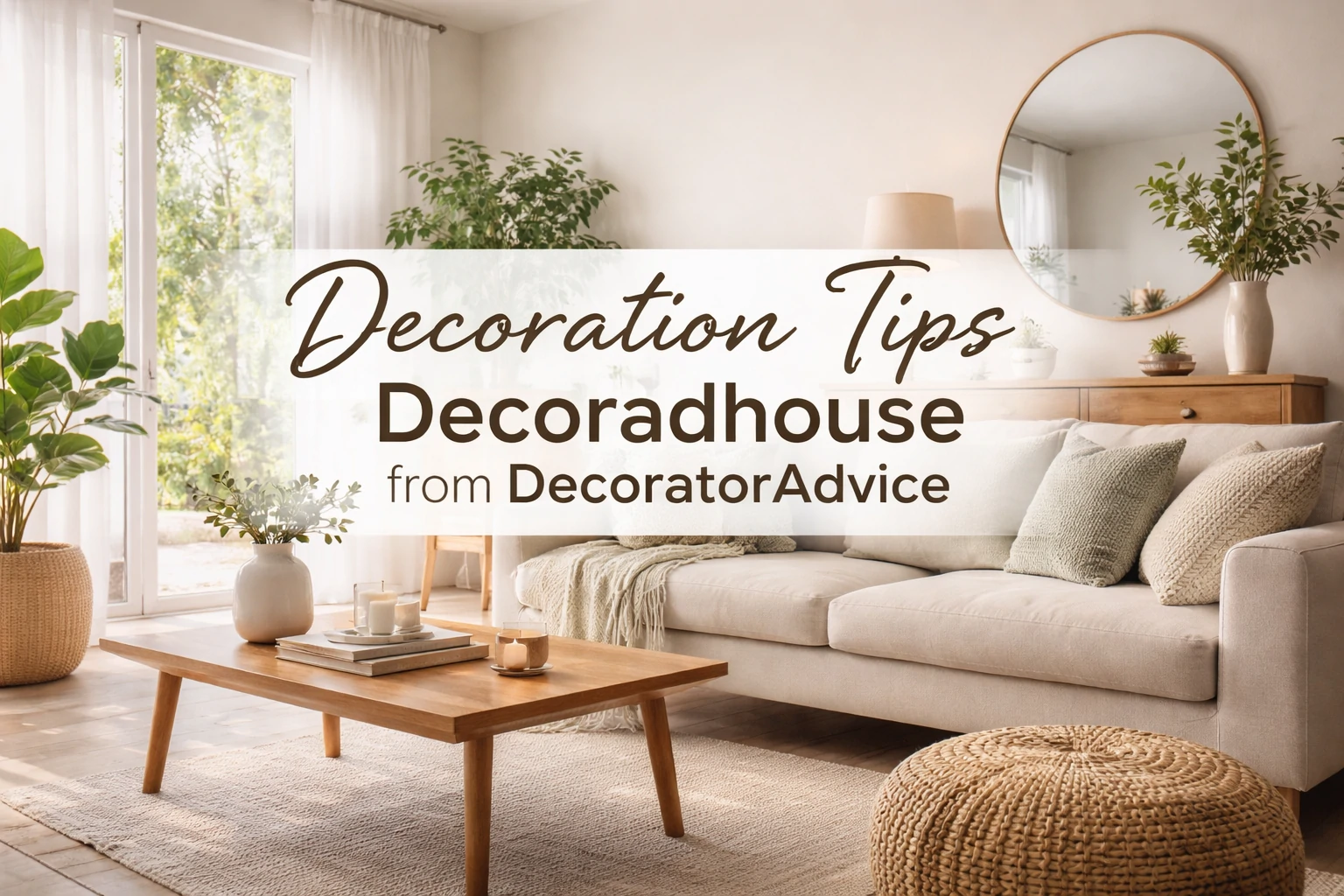
A home should give comfort. It should help you rest and feel safe. Many people think a full makeover costs too much. They wait or give up. That is not the smart way. You do not need to change everything. You just need to update a few small things.
The concept of decoradhouse from DecoratorAdvice keeps this idea clear. It helps regular people fix their homes without stress. You do not need to be a designer. You only need a plan that works. Most spaces look better with fresh light, simple moves, and smart layout.
Instead of copying every trend, the best method starts with basics. Clean walls. Clear paths. Soft color. Proper lighting. Once you know what fits your space, you can start small. Then build a look that feels calm and personal.
This guide walks you through each step. Each part gives a new idea that works in real homes. It works in small spaces, rentals, and older houses. The advice does not need extra cash. Just focus, care, and a clear vision.
Content Overview
ToggleChoose One Style That Fits You
Start with a clear idea. Choose one style that matches how you live. Cozy, modern, simple, or natural any one of these can work. That theme will help you decide what colors to use, which textures to add, and what furniture to keep. A strong theme builds flow across your space. It makes the room feel finished and peaceful.
Do not mix five different styles in one room. That causes confusion and breaks the energy. Stick with one theme per space. You can still add a few personal touches that reflect your story. Keep them simple. Let your theme do most of the work. When a room has direction, everything inside fits better.
A good theme also saves money. It keeps you from buying random items. You stop chasing trends. You start building a home that lasts. Pick a theme that brings calm. Then build around it slowly.
Use the Light Around You
Light gives shape and feeling to your room. Natural light makes spaces look large and open. If your room gets sun, use it. Open your windows wide. Pick thin curtains that let the daylight pass through. Let that light be part of the design.
Add lamps where the sun cannot reach. Use warm light to create calm. Place small lamps near seats or reading spots. In kitchens or workspaces, use brighter bulbs that help you focus. Think about where light hits the walls and floors. Make it work with the space.
Try not to leave any corner dark. A small light in the right place can make a room feel bigger. It also adds safety and comfort. Light should feel soft but strong. It should lift the room without hurting your eyes.
Walls Are Not Just Walls
Walls shape how a room feels. You do not need to fill them with art or shelves. One color can set the mood. Use light tones if you want peace. Cream, pale grey, or soft blue all create rest. If you like bold color, use it on one wall only.
Paint is not the only tool. Stick-on wallpaper works well and removes clean. Hang one large photo, or choose three smaller frames with space between. Keep things even. A crowded wall looks heavy. An open wall feels calm and fresh.
Add texture if you want more depth. Use canvas art, floating shelves, or woven hangings. These details add weight without using bold colors. Your walls should speak, but not shout.
Arrange Furniture with Purpose
A smart layout makes a home feel easy. Start with the largest piece in the room. That may be the bed or the sofa. Let that piece guide the rest. Place chairs or side tables around it to create balance. Use rugs to mark areas.
Keep walkways open. Leave space to move without bumping into things. Pull furniture away from walls when you can. That builds flow. A couch near the center feels warmer than one pushed into a corner. A lamp or plant in a quiet spot can make that area feel alive.
You can also see how layout impacts space flow in this feature on immersive design by KDArchitects.
Every piece should serve a clear purpose. A reading chair needs light. A coffee table needs space around it. Avoid filling the room just to make it look full. Use each item with care and intention.
Move and Use What You Have
Many people already have what they need. You do not need to buy more. You need to look again. Move items to new spots. Use a bench in the entry. Place your old dresser in the dining area. Shift, clean, and rethink.
Mix old with new. One vintage piece in a modern room adds charm. A classic mirror works well in a clean hallway. Do not use too many old pieces in one place. One or two make a strong point. More than that starts to look cluttered.
Polish what you keep. Dust off wood. Fix loose screws. Make the old feel cared for. That shows thought and pride. A home feels rich when each item looks chosen with care.
Best Decor Items Under $50
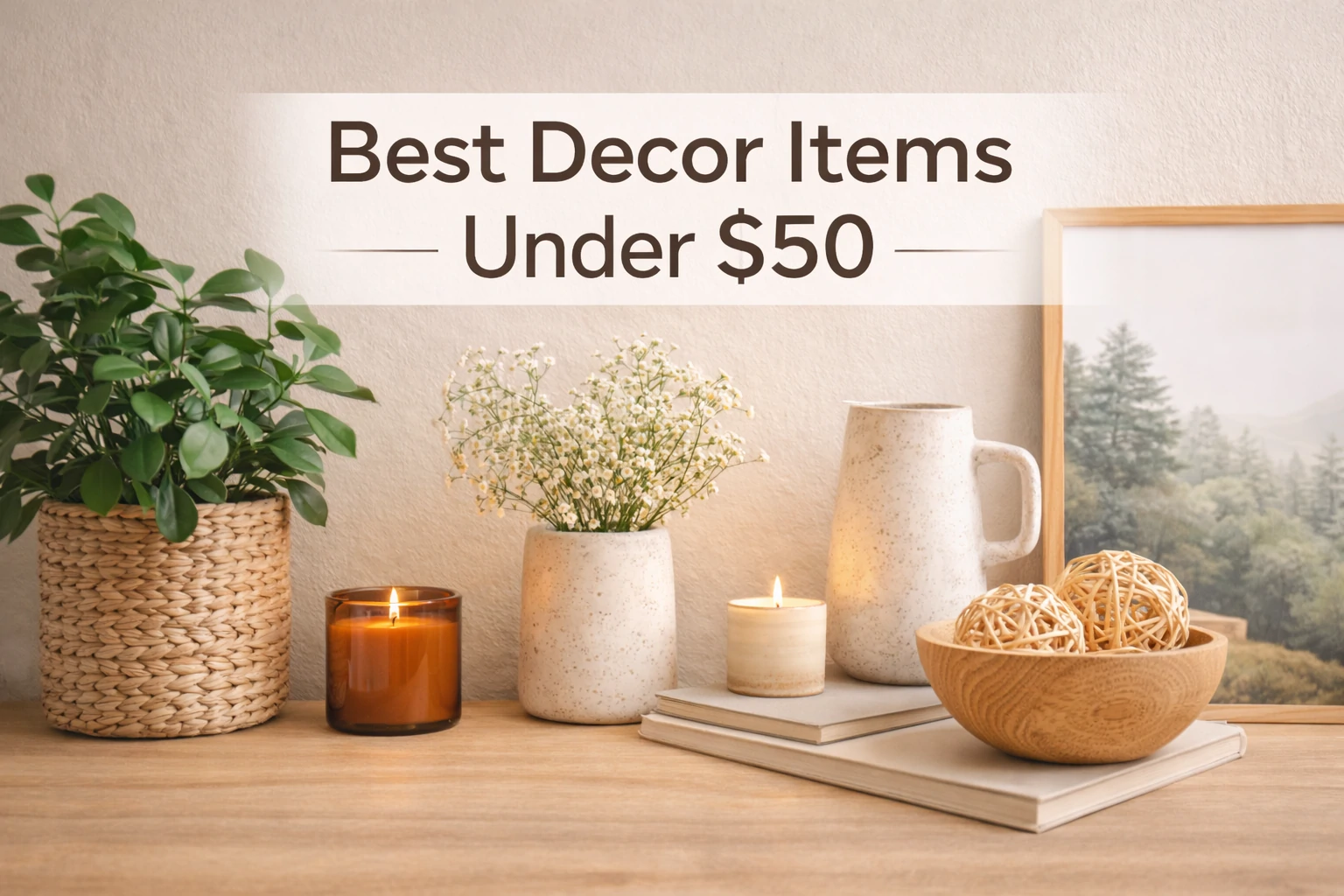
You do not need a big budget to make a home look good. Many simple items can change the feel of a room without costing much. Choose smart pieces that give both style and use.
Try these options under $50:
- Table lamps with warm light
- Woven storage baskets
- Small rugs for entry or bedside
- Linen or cotton cushion covers
- Peel-and-stick wall art or wallpaper
- Soft throws for chairs or beds
- Neutral curtains or sheers
- Wall hooks for keys or bags
Buy one item at a time. Let it fit your space. Each small change brings the room closer to calm.
Green Always Works
Plants do more than decorate. They give life. They clean air. They bring color without paint. One plant in a corner makes the whole room feel fresh. Add small ones on tables or shelves to keep the space soft.
Start simple. Use snake plants, pothos, or peace lilies. These are easy to grow. They do not ask for much. Just water once a week and place them near light. Avoid fake plants unless real ones are not safe.
Pick pots that match your room. Use clay, stone, or woven baskets. Do not mix too many shapes. Let each plant breathe. Clean the leaves with a soft cloth now and then. Healthy plants show care and calm.
Add Texture Alongside Color
Color changes the mood of a room. But texture gives the room life. Texture makes your space feel warm, deep, and real. Even a simple room can look premium if the textures match well.
Easy textures to mix in one room
Try to use at least three texture types in the same room:
- Soft textures: Rugs, pillows, throws, curtains, fabric chairs
- Solid textures: Wood tables, shelves, headboards, benches
- Natural textures: Baskets, clay pots, linen curtains, jute rugs
Simple texture combinations that always look good
- A soft rug under a wood table
- A linen curtain next to a smooth wall
- A woven basket beside a clean sofa
- A wool pillow on a leather chair
Quick tip to keep it balanced
- Use one main soft texture (like a rug or couch)
- Add one strong texture (like wood or stone)
- Finish with one natural texture (like basket, clay, or linen)
Texture makes your room feel rich without adding extra items. It also helps your space look stylish even with simple colors.
- One plant in the corner
- Soft lamp with a warm bulb
- Three light textures (fabric, wood, clay)
- One strong mirror near the entry
Clean Look Wins Every Time
Clean space feels better. You think better. You breathe better. A tidy room also looks bigger. Start with tables. Clear everything but the basics. Keep one item you love. Remove the rest.
Use storage that hides clutter. Boxes, baskets, and closed shelves help. Store cables and tech gear out of sight. Let your floor show. That gives your room a strong base.
You do not need to live like a hotel. You just need less mess. A quiet space makes every design choice stand out more.
You can read more about their approach on DecoratorAdvice.com’s style guide, which explains the thinking behind decoradhouse.
Each Room Needs a Purpose
Design only works if the room serves a goal. A bedroom should calm your mind. A kitchen should support your tasks. A living room should hold guests, talks, and peace.
Match the light and color to the purpose. Use soft tones and warm lights in the bedroom. Use strong light and open space in the kitchen. Choose deep seats and personal details in the living area.
Each room must feel different. That does not mean chaos. That means every space should have its own job. Once you know the purpose, the design becomes easy.
Mirrors Can Open a Space
Mirrors add more than beauty. They reflect what works in your space. A large mirror across from a window doubles the light. A tall mirror in a dark hallway opens the room.
Use clean frames in wood, black, or soft gold. Do not use too many mirrors in one room. One is often enough. Clean the glass often. Dust blocks the shine.
Mirrors give depth. They also create focus. You can use one instead of art or shelves. Let it do more than show your face. Let it show your style.
Soft Fabrics Change the Feel Fast
| Item Type | Purpose | Seasonal Tips |
|---|---|---|
| Cushions | Add color and comfort | Use warm tones in winter, light tones in summer |
| Throws | Add texture and warmth | Fold neatly over chairs or beds, switch fabrics by season |
| Curtains | Control light and mood | Use thick ones in cold months, sheer ones in warmer months |
| Rugs | Define spaces and add depth | Choose soft textures for rest areas, easy-clean rugs for busy spots |
Small fabric changes refresh a room fast. No need to replace furniture just switch, fold, or layer.
Stay True to Your Space
Do not copy designs from giant homes if you live small. Know your space. Know your limits. Use furniture that fits the room. A small table works better than a big one that blocks the way.
Use wall shelves to save floor space. Use folding chairs for guests. Keep the layout open. Leave space near windows and doors.
When your design matches your space, everything flows. The room supports you. It does not fight you.
How to Decorate a Small Apartment Room
Small rooms can still look stylish. You just need to keep the layout simple. Use fewer items. Choose clean lines and soft colors. Avoid large furniture that blocks space.
Use mirrors to reflect light. Place one across from a window. That will make the room feel bigger. Keep the walls light. White, cream, or pale grey works best.
Pick multi-use items. Try a bench with storage. Use foldable chairs. Add shelves above eye level. These save space without adding clutter. Keep the floor clear. That helps the room feel open.
A small apartment needs balance. One rug. One main light. One standout chair or table. That is enough. Let the room breathe. Let it serve your daily life with ease.
Style Lives in Simplicity
You do not need to change everything to enjoy your space. Start small. Fix one thing that feels off. Remove the extra. Choose what helps you rest. A few clean steps can bring your home back to life. Do less, not more. Let your space feel open, not heavy.
DecoratorAdvice shares one clear message. Good design should work with your life. You do not need a big budget. You need smart choices. Move a chair. Add soft light. Use a mirror to open the room. Let each change solve a problem. Let your space feel light, calm, and useful.
Follow your own rhythm. Use what fits your day. Let each room serve a need. A simple home gives more peace than a crowded one. Keep what helps. Let go of the rest. That is the heart of decoradhouse. That is how you create a home that feels true.
Frequently Asked Questions
What is the first step to decorate a room?
Start with a clear plan. Pick one theme. Then decide what to keep and what to remove. Clean the space before you add anything new.
How do I decorate on a small budget?
Use what you have first. Move items to new spots. Add small decor pieces under $50 like lamps, throws, or mirrors. Focus on light, texture, and layout.
Which colors make a room feel bigger?
Light tones such as white, cream, and pale grey help reflect light and make the room feel open. Avoid dark shades on all walls. Use one bold accent only if needed.
How can I make a rental space look better without damage?
Use peel-and-stick wallpaper or removable hooks. Add rugs, soft lighting, and lightweight shelves. Avoid nails or paint unless allowed.
What items make a room feel cozy?
Soft cushions, thick throws, warm lights, and neutral rugs help create a calm, cozy space. Plants and natural textures add comfort without clutter.



Pingback: Decoradhouse Garden Tips by DecoratorAdvice