A garden can shift how a home feels. Fresh air, soft sounds, and growing plants make space feel calm. People sit longer. They rest better. Even a small patch of green can change the mood of a busy day.
Gardens give more than flowers. They bring joy, color, and quiet moments. Some call it therapy with soil. Others just enjoy the smell after rain. It feels real. It feels personal. And it does not need to be hard.
Many think gardening means heavy work or deep knowledge. But it starts with care. With easy steps and smart choices, anyone can shape a space that feels fresh and alive. Whether you rent a flat or own a yard, a little planning brings beauty that lasts all year.
Start With the Soil: The Heart of Plant Health
Nothing grows well in weak soil. You may water often or plant the right flowers, but poor soil always holds things back. Most plant problems begin underground.
Healthy soil should feel soft but not loose. If it clumps like clay or turns dusty, it needs help. Compost fixes this fast. It feeds roots, holds water, and brings balance to the earth.
Mulch adds another layer of support. Use two inches around plants. It helps hold water, stops weeds, and protects roots. Bark works well for large shrubs. Shredded leaves or straw suit flower beds and veggie plots.
Soil needs attention each season. Test it once a year with a simple kit. You’ll know if it’s too acidic or dry. Small fixes like lime or extra compost go a long way. Good soil grows strong roots and strong roots build a thriving garden.
Choose Plants That Fit Your Area
Each plant needs the right conditions. Some want full sun. Others grow better in shade. Picking plants that match your climate makes care easier and keeps your garden healthy.
Perennials are a smart place to start. These plants return each year with little fuss. Lavender, coneflowers, daylilies, and salvia bring color and shape to beds without needing replanting.
You can mix hardy plants with seasonal ones. Add tulips or pansies in spring. Place mums or asters in fall. Use native plants when you can. They already know how to survive your local weather.
Choose one or two bold plants for structure. A flowering shrub or small tree draws attention. It breaks up space and adds height without effort.
Build Color That Lasts Through the Seasons
Spring gets the most credit, but gardens should shine year-round. Use a mix of bloom times so something always looks fresh. Plan for spring, summer, fall, and even winter interest.
In early spring, daffodils and crocus peek through first. Summer brings out zinnias, roses, and cosmos. Fall fills with goldenrod, sedum, and purple asters. In winter, evergreen shrubs or plants with red berries keep things alive.
Don’t forget about texture. Big, bold leaves next to soft ferns or spiky grasses give depth. You can use just a few plants and still make a space feel rich if you mix their shapes and surfaces well.
Create layers of color. Use tall plants in the back, mid-sized in the middle, and shorter ones in the front. You don’t need rare plants. You just need balance.
Try Raised Beds in Tight Spots
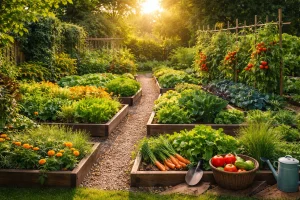
Not every gardener has wide lawns. Raised beds offer a smart option for balconies, patios, or side yards. These compact spaces give full control over soil and drainage.
Use untreated wood, metal frames, or thick plastic. Raised beds should be no wider than four feet. That way, you can reach across without stepping inside and compacting the soil.
They heat up faster in spring and drain better after rain. You can plant flowers, herbs, and vegetables side by side. Add a trellis at the back for climbing plants or support.
To save space, place raised beds along fences or walls. This protects them from wind and keeps things neat. Add wheels to small boxes if you want to move them with the sun.
Grow Edible Plants That Feed You and Your Space
- Fresh food from your own garden feels rewarding and useful
- Start small with pots instead of large beds
- Mint grows fast and works well in containers
- Cherry tomatoes do well in hanging baskets or deep pots
- Herbs that grow easily in small spaces include basil, thyme, parsley, and oregano
- Leafy greens like lettuce and spinach prefer part shade and cooler spots
- Mixing edible plants with flowers saves space and adds color
- Marigolds help protect vegetables from pests
- Nasturtiums add bright color and work well in salads
- Pots near the kitchen get more care and regular use
- Easy access makes watering and harvesting simple
- Small edible plants bring beauty and daily value to the garden
Master the Art of Watering
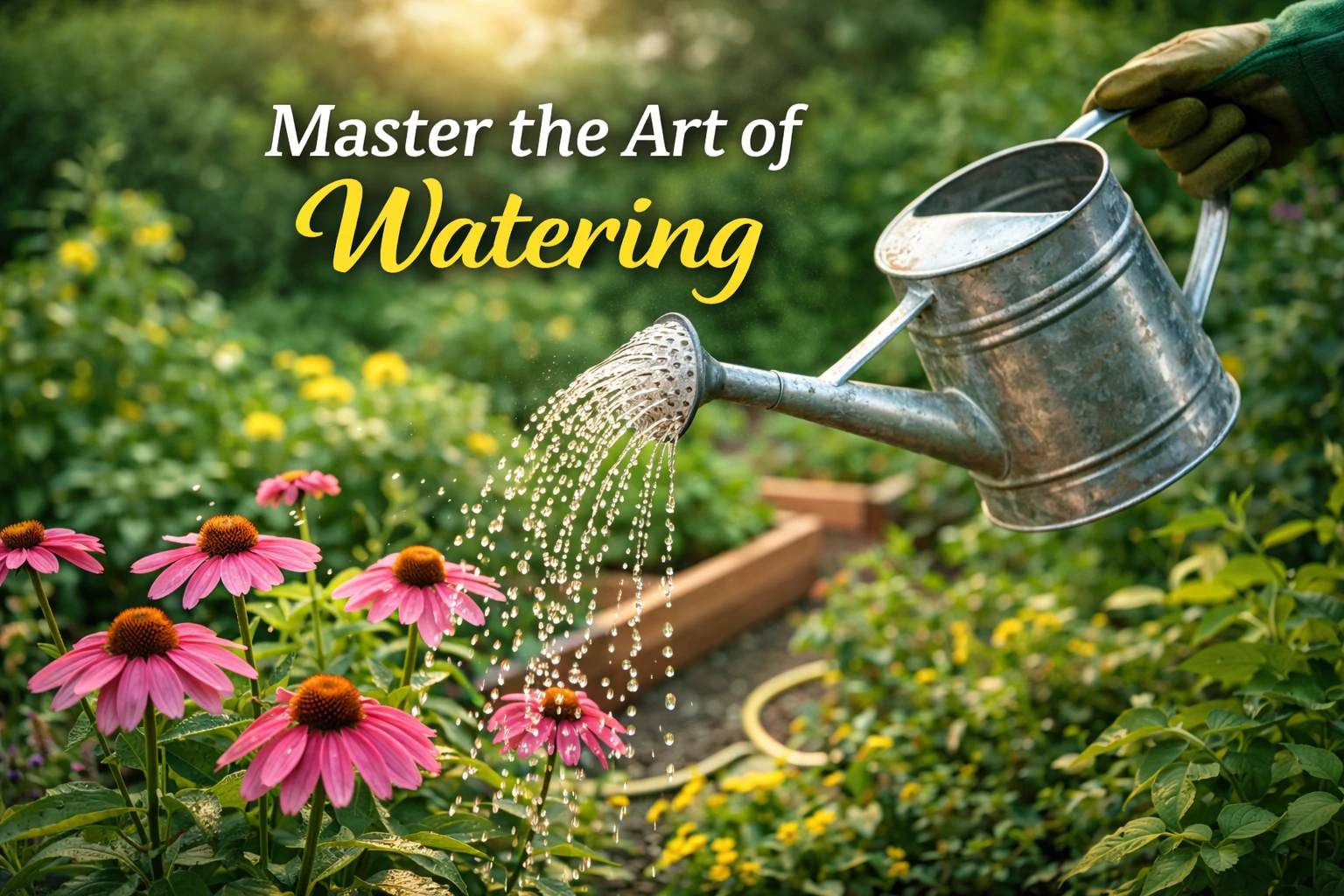
Most garden problems start with poor watering. Too much or too little can harm even the strongest plants. Know what your garden needs before turning on the tap.
Water deeply, not often. Soak the soil once or twice a week, depending on weather. Skip daily sprinkles. They only touch the surface and invite weeds.
Use early morning hours for watering. The soil has time to absorb moisture before the heat comes. Avoid watering at night. Wet leaves can lead to mold and rot.
Drip hoses and watering cans work best in small gardens. They keep the water near the roots. Make sure each plant gets enough without flooding nearby pots or beds.
Match Plants to Sunlight and Shade
| Light Type | Sun Exposure | Plants That Grow Well |
|---|---|---|
| Full Sun | 6 or more hours of direct light | Tomatoes, Lavender, Petunias, Marigolds |
| Part Sun | 3 to 6 hours of light | Lettuce, Peppers, Geraniums, Spinach |
| Shade | Less than 3 hours of direct light | Hostas, Ferns, Impatiens, Begonias |
Build Clear Paths and Neat Borders
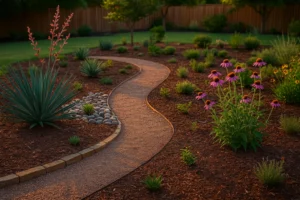
Paths shape your garden. They guide the eye and make walking easy. Even one narrow walkway keeps shoes clean and beds protected.
Use gravel, stone, or wood to build strong paths. Choose a simple line or curve that fits your space. Keep paths wide enough to walk with tools or a watering can.
Add borders to hold soil and block weeds. Use brick, wood edging, or short hedges. These lines keep the garden tidy and separate lawn from flower beds.
A well-made path changes how the space feels. It turns scattered plants into a planned, welcoming area.
Make Space to Sit and Relax
Gardens should invite rest. One good chair or bench turns a planting space into a peaceful corner. Place it where the view looks full or the light feels soft.
Use solar lights along paths or fences. Hang string lights from trees or hooks for evening glow. Choose warm tones that blend with your plants.
Add soft sound with a wind chime or bird feeder. A small water bowl or fountain also helps. These small pieces bring peace and help wildlife feel welcome.
Comfort builds connection. When you sit in your garden, you see more, care more, and enjoy the space much longer.
Low Maintenance Plant Ideas
Some plants need less care than others. These grow well without much water, pruning, or pest control. They work great for busy people or beginner gardeners.
Choose plants that survive heat, cold, or dry soil. Once settled, they take care of themselves. You still need to check them sometimes, but not every day.
Here are smart picks to consider:
| Plant Name | Care Summary |
|---|---|
| Hosta | Grows in shade, comes back yearly |
| Sedum | Handles dry soil, blooms bright |
| Lavender | Sun lover, low water, repels pests |
| Coneflower | Survives heat, very colorful |
| Daylily | Grows in part sun or shade, long bloom |
| Yarrow | Good for heat, fine leaves, flat flowers |
| Boxwood | Great for borders, grows slow, stays green |
| Russian Sage | Tall, sun-loving, silver leaves |
| Zinnia | Bright colors, grows from seed |
| Ornamental Grass | Needs little water, adds texture |
You do not need all of them. Choose what fits your space, color taste, and sunlight. These plants save time and still make your garden feel full and alive.
Smart plant picks make garden care easy. To match them with outdoor themes, see the full design ideas from DecoratorAdvice on this page.