
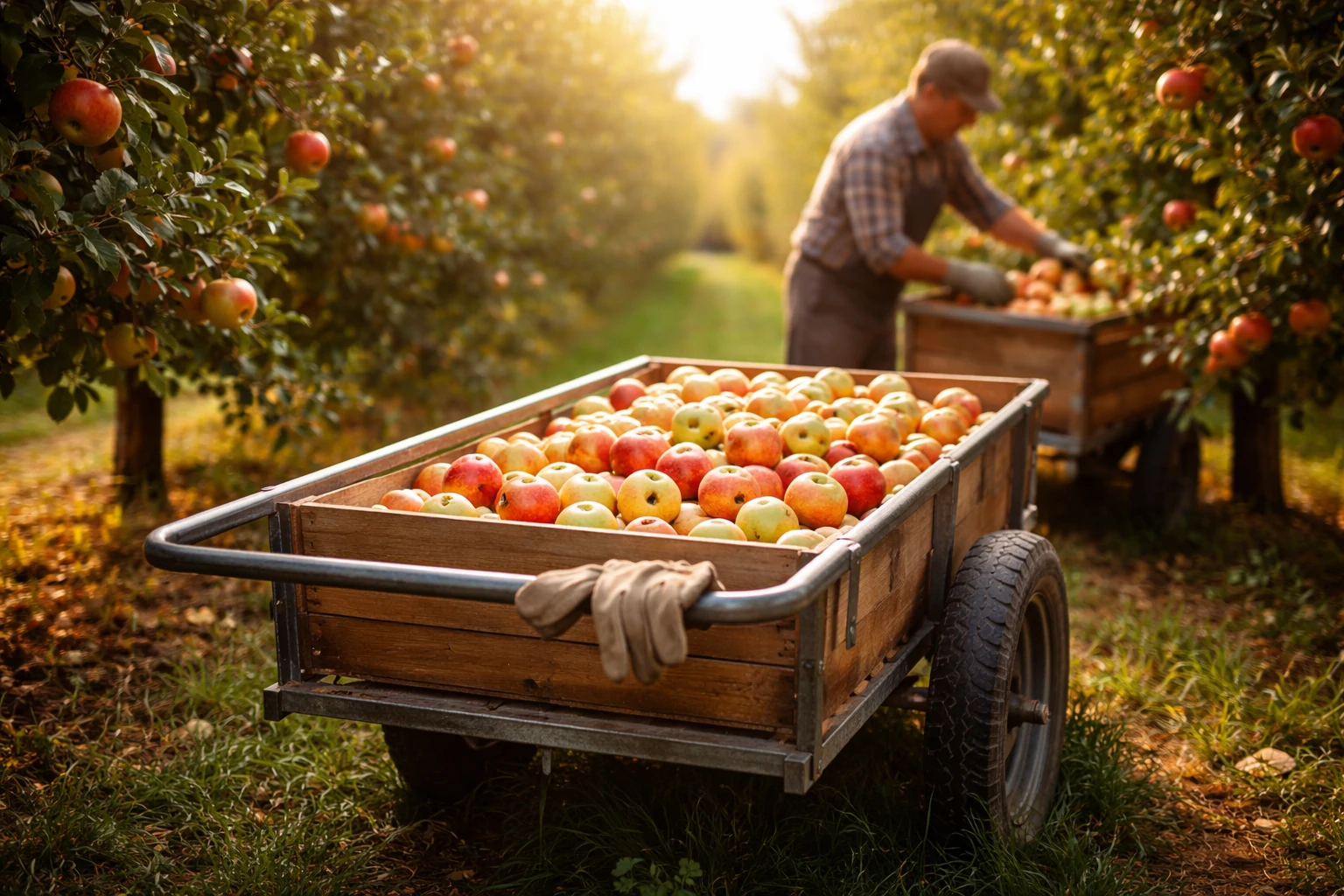
Afruimwagens help farmers move faster and work smarter. These wagons carry fruit, nuts, or vegetables after harvest. They make cleanup easy. Many farms in Europe, like those in the Netherlands and Belgium, use them every season. These carts protect crops, save time, and reduce waste.
Some wagons roll on wheels. Others use tracks to move over soft ground. Some need people to push. Others have motors. Big farms often use powered models. Small farms stick to manual ones. Each fits a different need but shares the same goal clear the land and protect the harvest.
Dropped fruit rots fast. That brings pests and cuts profits. Afruimwagens fix that. They help workers collect more fruit in less time. They also reduce strain. Less bending and lifting means safer work.
This guide shows how these wagons work and why they still matter. It also helps readers pick the right type and use it well.
How These Wagons Fit Into Harvest
Fruit farms now face more pressure. Shoppers want clean food and less waste. Farms must work fast without damage. Afruimwagens help meet that need. They move across rows with ease. They also keep fruit safe from bruises and spoil.
In apple or pear orchards, workers fill bins as they move. Some wagons tilt. Others lift the bins. These features cut strain on workers. Strong brakes stop carts on hills. In flat zones, light models work fine without power.
Greenhouses use smaller carts. These move through tight paths. They carry peppers, tomatoes, or herbs. Berry farms use padded bins to guard soft crops. Even short trips need care during harvest.
Newer wagons now use smart tools. Some track steps or weight. Some charge with solar panels. Others link to farm apps. But even old carts still help. Their simple design fits harvest flow. That keeps them useful each year.
Quick cleanup also matters. Dropped fruit can rot or bring bugs. Afruimwagens speed up that task. Clean rows stop pests. They also help with pruning and watering. A tidy farm works better and stays healthy longer.
Common Kinds of Afruimwagens Today
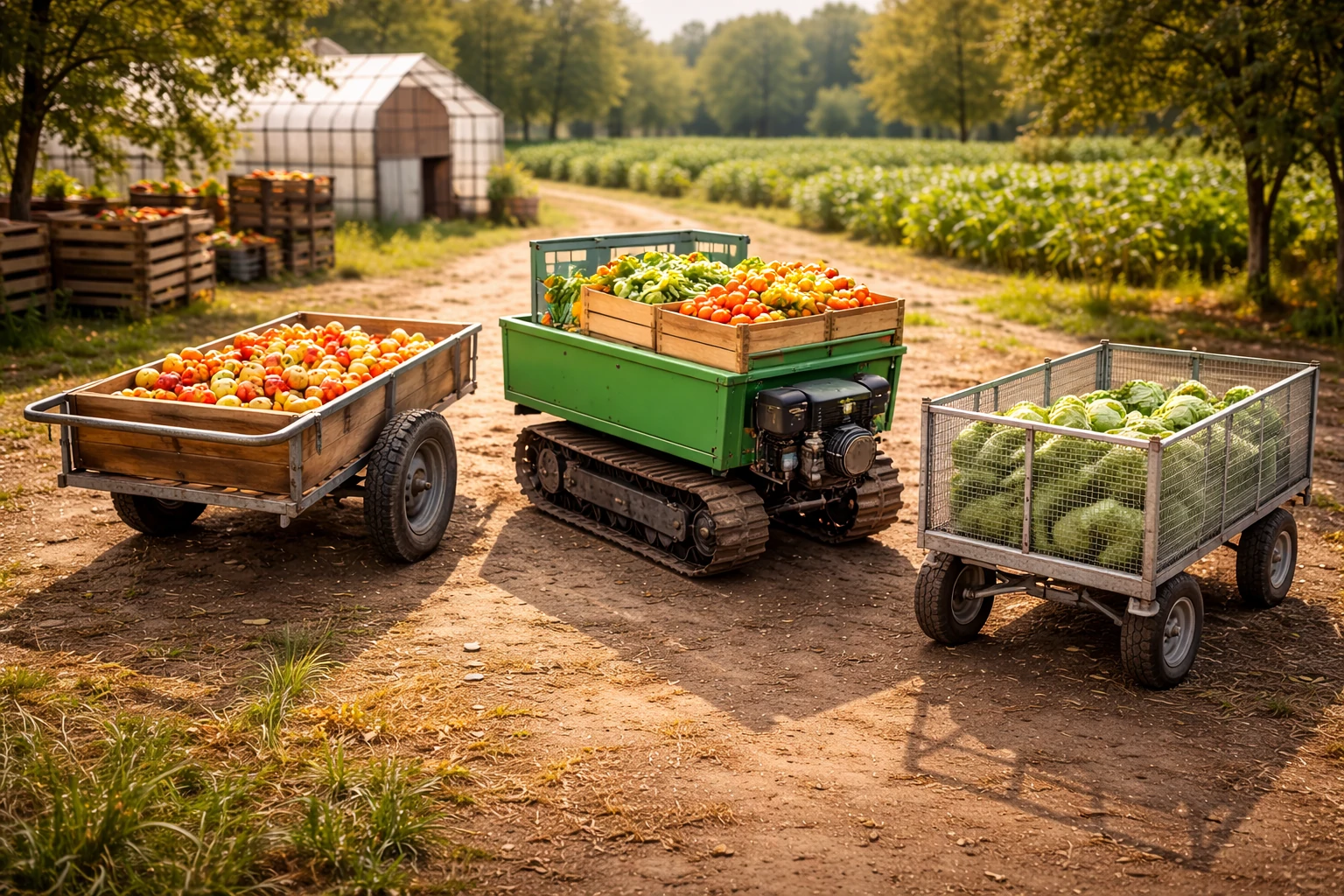
Not all afruimwagens work the same. Picking the right one matters. Farms need to match the wagon with their terrain, crop, and team size. Let’s look at the main types.
1. Manual Push Carts
These are the most common. Made of metal or wood, they hold bins or baskets. One or two workers push them down rows. Most come with rubber wheels that glide well on packed soil.
They work well on flat land. They do not need fuel or power. That makes them easy to use and cheap to maintain. But they also hold less weight. And teams may slow down when the cart gets full.
2. Pulled Trailers
These connect to tractors or small vehicles. They carry more bins and fit longer rows. Most work best in open fields. Farmers must avoid sharp turns or soft ground. These wagons help with larger loads or daily clearing.
Some include shock padding to protect fruit. Many allow fast loading and tilting for easy unloading.
3. Tracked Wagons
These work best on soft, wet, or uneven land. Rubber tracks spread the weight across more area. That avoids deep ruts. These wagons suit farms in rainy zones or sloped land.
They cost more. But they save time and effort in bad weather or tricky terrain.
4. Motorized Carts
These use electric or gas motors. Workers steer them with handles or remotes. Some come with speed settings. Most fit small farms where power helps save labor.
Electric models help in greenhouses or indoor farms. They stay quiet and clean.
What to Look For in a Cart
A smart farmer checks every part before buying. Strong materials, smooth wheels, and good bins matter. Let’s look at what makes a good wagon.
Frame and Build
Steel frames last longer. Galvanized parts resist rust. Some carts use light alloys to cut weight. A strong base keeps loads stable. Welds must hold under pressure.
Wheels or Tracks
Good wheels roll easy on soft or hard ground. Bearings reduce drag. Air-filled tires grip better in mud. Tracks add balance on slopes. Wheel locks stop rolling during loading.
Bin Size and Shape
Bins come in plastic or wood. Some fit fixed trays. Others lift out for fast swap. Deep bins suit apples or oranges. Shallow trays work better with berries or figs.
Handle and Grip
Padded handles protect the hands. Some handles fold or adjust in height. That helps reduce back strain.
Brakes and Safety
A safe cart does not roll on its own. Look for brake locks or wheel chocks. Some wagons come with rear lights or reflectors for dark barns or evening work.
A clean, organized field works much like a well-styled room. Both need the right tools and smart choices. This guide on interior design from MintPalDecor shows how simple changes can lead to better spaces indoors or out.
Staying Safe During Field Work
Safety matters more than speed. A heavy cart can hurt workers or damage fruit. Smart steps avoid these risks.
Always check tires before use. Soft tires cause drag and slow down teams. Clear the path of rocks or branches. Keep bins balanced and do not overload. Test brakes before steep paths.
Train workers to walk at steady pace. Avoid fast turns. Warn others before you back up or unload. Use gloves when loading crates to avoid splinters or pinches.
Store wagons indoors. Rain can rust parts. Wet brakes can slip. Clean bins after each use to stop mold or fruit rot from spreading.
Check hinges, welds, and tires once a week. Tighten loose bolts. Replace cracked wheels. Safety grows profits over time.
Know When It’s Time to Upgrade
No tool lasts forever. At some point, wagons break down or slow you down. But how do you know when to upgrade?
Look for signs. If your team works slower than before, check the cart. If wheels wobble or bins tilt, that means risk. If workers complain about pain or strain, test the brakes or frame.
Modern wagons bring more comfort. You may add motor kits to older frames. Or swap bins with better handles. A full upgrade may cost more now—but it saves time every day.
Farms that grow fast need bigger tools. If your daily harvest fills five bins, but your wagon holds only two, time gets wasted. A larger cart helps.
If paths change, your wagon must match. Steep fields need brakes. Muddy fields need tracks. New fruit types may call for padded trays. A good farmer adapts tools to the crop.
Afruimwagens vs. Other Harvest Tools
Some ask why not use crates or baskets. These tools still help, but they fall short in speed. Afruimwagens carry more and move faster. They also cut down bending and lifting.
Machines like harvesters cost more. They also crush soft fruit. Afruimwagens offer better control. Hand-picking plus a cart gives balance. It keeps fruit safe and costs low.
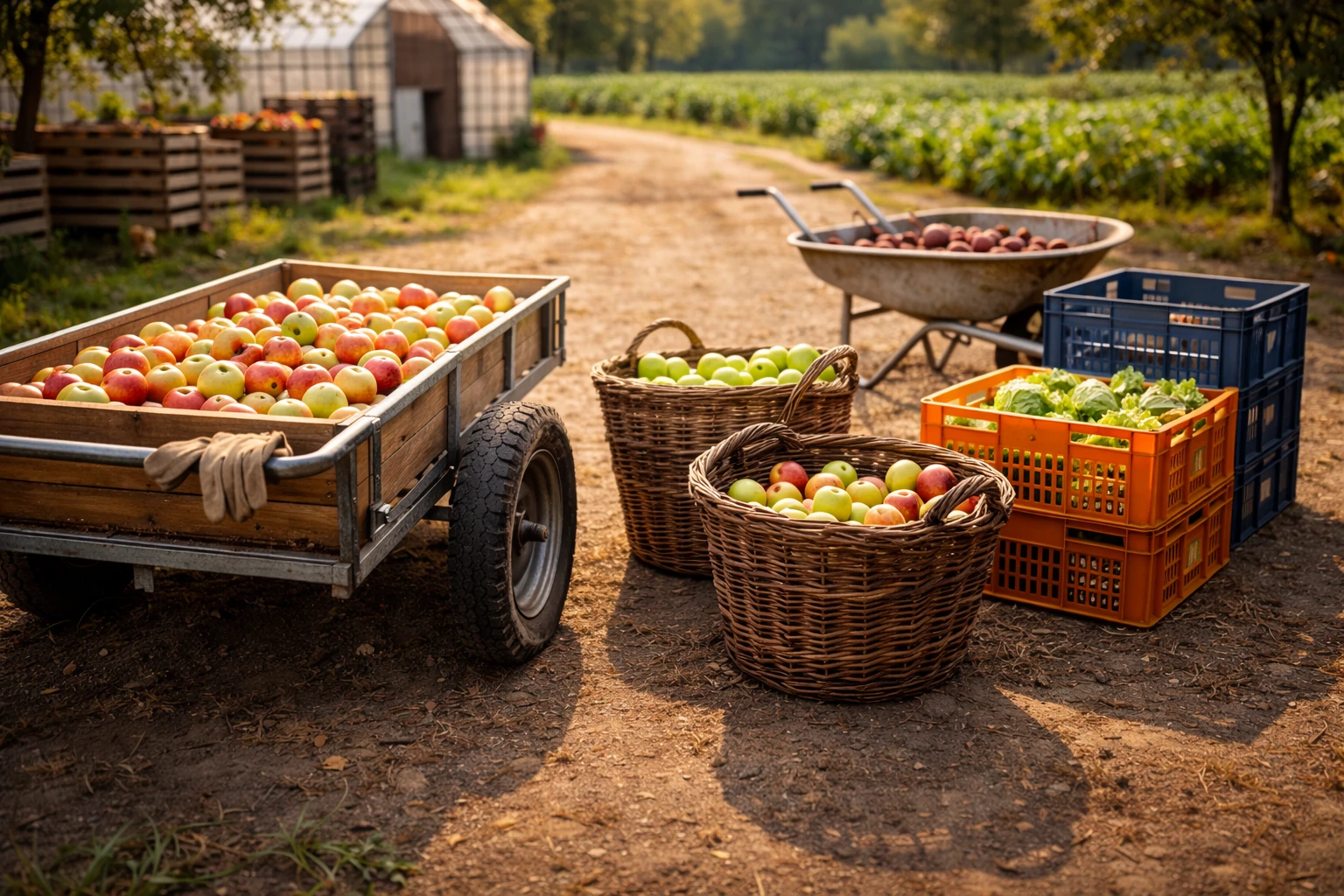
Wheelbarrows work for short rows. But they tip easy and hold less. Wagons stay stable. Trays stack better on flat carts.
Each farm has a mix of tools. Afruimwagens fit between manual picking and full machines. They help during peak harvest, post-picking, and cleanup.
What You’ll Likely Spend on One
Prices vary. A small manual cart may cost $150 to $300. A large motor cart can cost over $2000. Tracked wagons or trailers go even higher.
But think long-term. A cheap cart that breaks often wastes money. A strong one lasts years. Smart buyers look for trusted brands. They check reviews. They ask other farmers.
Some buy used wagons. That saves money, but always check the frame, tires, and welds.
You may find carts in farm shows or local supply shops. Online orders must include shipping and return options.
Look for value, not just price. A good cart saves fuel, time, and health. That makes it a better deal.
Custom Options and Smart Add-ons
Some farms need more. Custom wagons meet that need. You can pick wider bins, extra trays, or padded handles. Some wagons tilt with a foot pedal. Others lift with a small jack.
Add-ons help too. You may add a cover to block sun or rain. Or lights for late work. Some carts now include GPS tags to track use. Others connect to mobile apps to log fruit weight.
Solar panels help charge motor carts. Cushioned trays stop fruit damage. Swappable bins reduce downtime. Swivel wheels add better turn control.
Farmers can ask local makers for custom gear. Welding shops often build strong frames with custom sizes. Ask for powder-coated paint to stop rust.
Environmental Benefits of Using Afruimwagens
These carts help the planet too. Manual carts use no fuel. Motor carts now use batteries, not gas. Solar panels charge small systems. That cuts emissions.
Farms that clear fast waste less. Less rot means less methane. Less waste lowers pest use. Healthy fields grow better crops.
Good carts reduce broken fruit. That means more gets sold, not dumped. Less waste means fewer trips to compost bins or landfills.
Carts last long. Most get reused, not thrown out. Old steel frames get repaired. That means fewer new materials get used.
Every smart step adds up. Tools like afruimwagens may look small, but they help create better farms and a cleaner world.
Clean farming supports cleaner living. Good land care also shapes better places to call home. This look at life in Atascadero, California highlights how local choices impact both nature and lifestyle.
Final Take
Afruimwagens do not get much fame. They look simple. But their impact stays strong. In every orchard or greenhouse, carts roll past trees, vines, and rows. They save fruit, ease work, and help farms grow better.
Smart farmers do not ignore small tools. They test what works. They check what slows them down. Afruimwagens win because they do more with less. They need no complex systems. Just smart use, safe design, and care.
Modern carts add speed. Classic ones still serve well. Each wagon tells a story of harvest, teamwork, and smart effort. In a fast world, tools that slow waste and speed up good work matter more than ever.
Anyone who grows fruit should look again at these wagons. A small change can bring big results. Cleaner fields. Faster work. Safer backs. Stronger profits.
Afruimwagens stand quiet but firm in the field. Their wheels tell the story of progress, one row at a time.
Common Questions
How much weight can an afruimwagen carry?
Most manual carts carry between 50 to 150 kilograms. Larger motor wagons or pulled trailers hold much more, sometimes over 500 kilograms, depending on bin size and frame strength.
Do tracked carts work better on wet ground?
Tracked wagons move well across soft or muddy land. They spread weight over a larger area. That stops them from sinking or leaving deep ruts in the field.
Can small farms use powered wagons?
Small farms often choose manual carts, but electric models work well in tight spaces or greenhouses. They cost more, but they save effort and reduce back strain.
What crops fit best in these wagons?
Apples, pears, citrus, and hard vegetables travel well in deep bins. Berries and soft fruit need shallow trays or padded containers to avoid bruising.
Are there rules for using these carts on public roads?
Most afruimwagens do not go on public roads. If a farm trailer connects to a tractor for short trips, local road laws may apply. Farmers should check with local transport offices before use.
How long does a well-built cart last?
A strong steel-frame cart with good care can last over ten years. Regular cleaning, tire checks, and dry storage add to its life.



Pingback: Sustainable and Innovative KDArchitects Overview 2026