
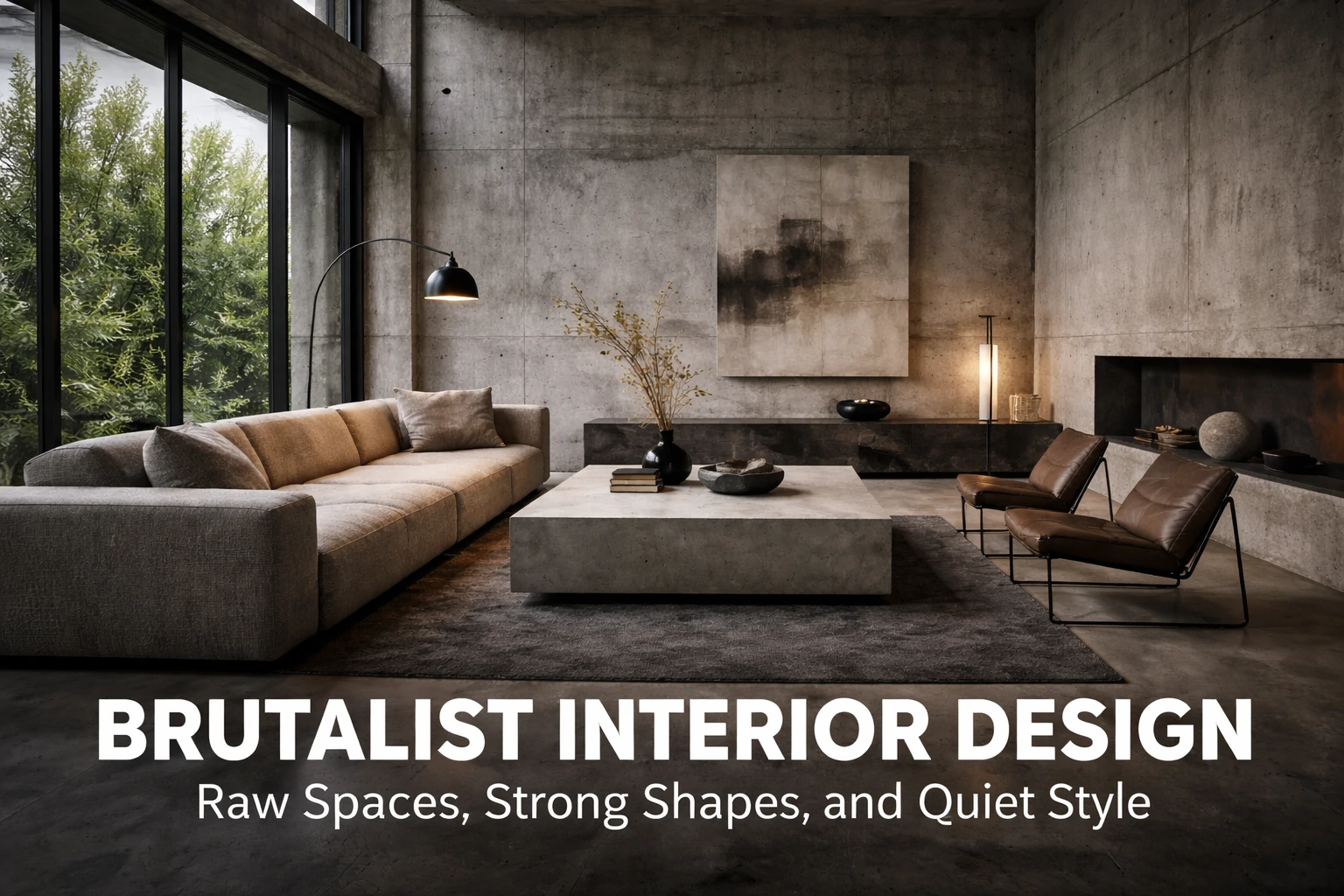
Brutalist interior design removes softness and shows structure. It does not try to decorate. It shows the truth behind the space. Concrete walls, steel beams, and blocky shapes create a clear and grounded feeling. Every part has a reason. Nothing hides behind polish. The space looks raw on purpose. That raw look gives it strength. It feels still, firm, and free from noise.
This style began in post-war cities where buildings had to rise fast. Architects used concrete not just to build, but to express. That same idea moved into homes. Now, designers and homeowners use Brutalist interiors to create calm, open rooms. The design leaves space to think. It does not chase trends. It stays honest, strong, and quiet just like the materials it shows.
How Brutalist Design First Started
Brutalist design began after the war. Cities needed new buildings fast. Architects turned to concrete. It was cheap, easy to shape, and very strong. The name Brutalism came from the French phrase béton brut, which means raw concrete.
These buildings looked rough and solid. They did not hide their shape. They had square lines and block forms. Some called them ugly. Others said they looked honest and bold. Over time, this look moved from city towers to home interiors.
Designers took the same raw idea indoors. They kept the materials plain. They avoided polish or shine. They used solid blocks and open spaces. Each room became a work of art—but not in a soft or pretty way.
This design spread across Europe, then into North America and Asia. Now, people around the world use Brutalist design in their homes, offices, and studios. It fits modern life in new ways.
Brutalist Interior Design Characteristics
Brutalist design follows a few clear rules. These traits appear in nearly every space that uses this style.
1. Raw Materials
Concrete shows up everywhere. Floors, walls, counters, and tables may all use it. The surface stays rough, not smooth. This raw look forms the base of the design.
Other raw materials join in. Steel, stone, brick, and wood all play a role. The finish stays matte. Paint rarely hides the true surface.
2. Strong Lines
Brutalist design favors strong, clear lines. You will not see curves or patterns. The shape of each object speaks for itself. Tables look like blocks. Chairs look like frames. The structure is easy to read.
3. Open Spaces
Most Brutalist rooms feel large and open. Walls stay bare. Floors show wide stretches of material. There are no frills. Even a small room can feel vast with this style.
4. Minimal Decor
This style uses few decorations. No pillows, vases, or art pieces crowd the space. Each item in the room has a clear use. Nothing feels extra.
5. Dark and Neutral Colors
Most Brutalist rooms use a gray base. Concrete leads the tone. Browns, blacks, and dull whites support it. You might see a touch of rust or charcoal. Bright colors rarely appear.
Popular Materials in Brutalist Interiors
The material choice defines this style more than anything. You need the right textures and tones. Here are the most used options:
Concrete
Concrete is the star. Walls may be cast in place. Floors may be polished slightly. Tables and benches often use thick slabs. Each one shows its grain, bubbles, and lines. That is part of the beauty.
Steel
Blackened or raw steel gives contrast. It supports tables. It frames windows. It appears in light fixtures. Steel adds a cold, tough edge to the design.
Wood
Wood softens the harsh tone slightly. But it still follows the rules. No shiny polish. No soft grains. Oak, walnut, or reclaimed wood works best. It adds warmth without breaking the mood.
Brick
Brick can line walls or floors. It adds texture and history. In this style, brick often remains unpainted. The original mortar and chips show through.
Glass
Large panes of glass open the space. They let light hit the raw walls. Glass helps keep the room from feeling closed or heavy.
How to Use Brutalist Design in Your Home
Brutalist style can work in many spaces. You don’t need a huge budget. You just need the right mindset. Here’s how to bring this look into your home.
Living Room
Start with bare walls and clean lines. Use a concrete coffee table. Add a steel floor lamp with sharp angles. Choose a sofa with low arms and thick cushions in a solid gray.
Use an open layout. Let the furniture float in space. Leave some surfaces bare. Avoid small items or knick-knacks.
Kitchen
Use poured concrete or thick stone for the countertop. Keep cabinets flat and simple. Choose dark wood or matte black. Open shelves fit well. Use exposed bulbs or black steel fixtures.
Stainless steel fits the theme. Avoid shiny tiles. Stick to plain textures and raw finishes.
Bedroom
Let the bed be the focal point. Use a platform design. Keep the frame simple and strong. Add one textured wall—either raw concrete or brick. Keep fabrics plain and thick. Use solid colors.
Avoid clutter. Use closed storage. Limit decor to one or two items, like a sculptural lamp or a framed black-and-white print.
Bathroom
Concrete sinks and counters work well here. Use matte black fixtures. Keep the mirror frame simple. Let the lighting stay bold and direct. Avoid colorful towels or rugs. Choose neutral tones like gray or deep beige.
Brutalist Interior Design Examples
A Brutalist living room often includes raw concrete walls, exposed beams, and wide open space. The furniture stays low and grounded, with blocky forms and thick textures. A steel lamp may stand beside a plain sofa, while a solid stone coffee table anchors the center. Kitchens follow similar choices concrete counters, dark wood cabinets, matte black shelves, and open industrial lighting create a strong, functional space that feels clean but never overly styled.
In bedrooms, platform beds with sharp lines replace ornate frames. A single textured wall brick or raw concrete adds depth without decoration. Heavy linen or wool fabrics soften the look slightly. Bathrooms often feature concrete sinks, black fixtures, and frameless mirrors. Even workspaces carry the style through steel desks, clean layouts, and large glass panes to keep the space bright. These rooms show how Brutalism adapts across the home without losing its core voice.
Pros and Cons
| Pros | Cons |
|---|---|
| The style creates a strong visual impact that feels bold and confident | The space may feel cold without warm textures |
| Raw materials need little care or polishing | Soft comfort is limited in most Brutalist rooms |
| The design stays modern even after many years | Too much concrete can make rooms feel heavy |
| Open layouts bring calm and clear space | The balance takes careful planning |
Is Brutalist Design Right for You?
Brutalist interiors speak to a certain mindset. If you enjoy structure, order, and truth in materials, this may suit you. If you want rooms that feel quiet and focused, Brutalism may help.
But if you crave comfort, color, or softness, you may want to blend styles. Add Brutalist touches, but soften them with fabric or light wood.
This design works best when you stay honest. Use what fits your space. Let each choice have a reason. Avoid fake textures or glossy finishes. Trust the form. Trust the material.
Brutalist Style in Modern Design Trends
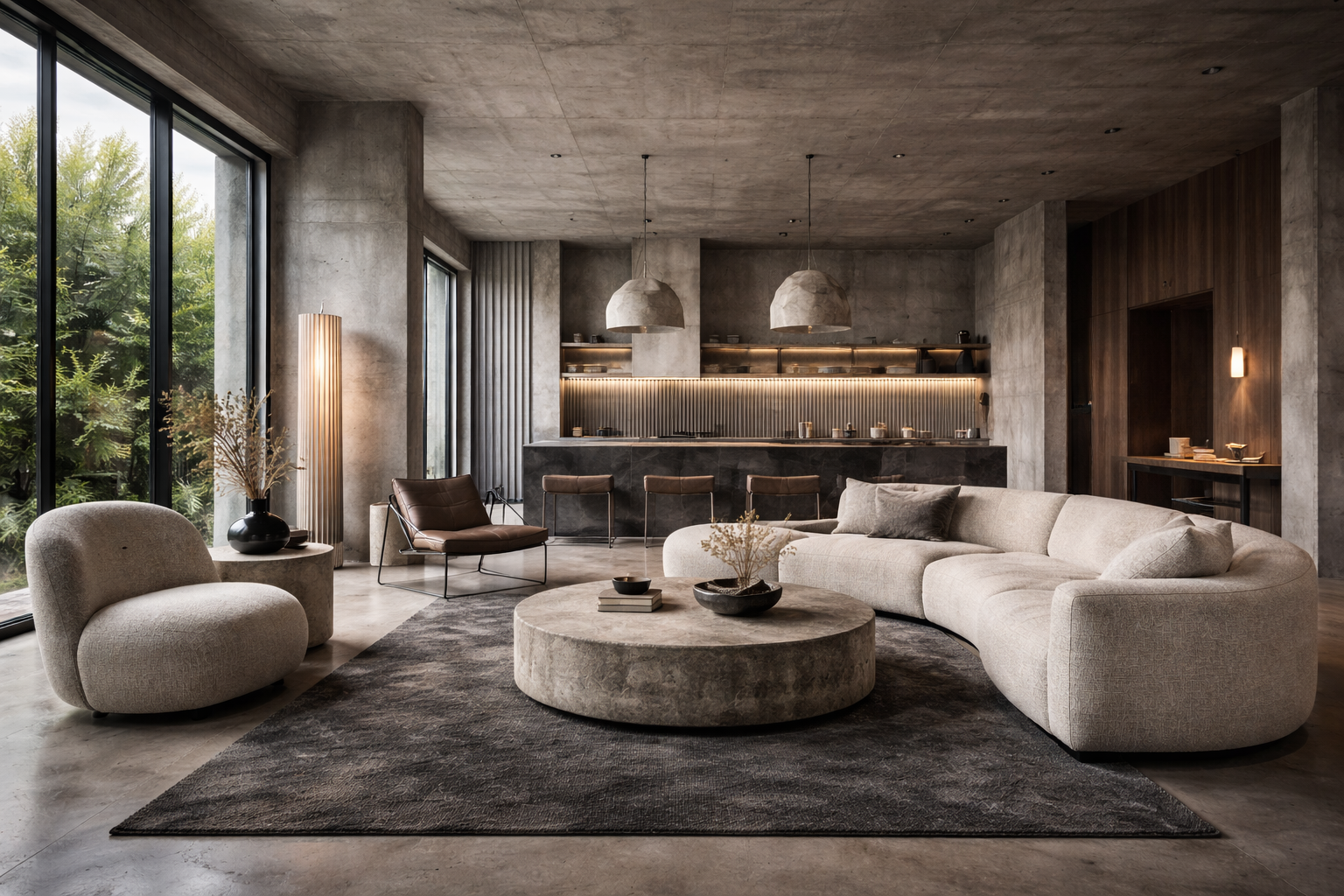
Brutalism is coming back. More young designers use this look in homes, cafes, and shops. It matches the push toward minimal living. It also pairs well with tech spaces and modern art.
Many online design platforms now show Brutalist homes. You see concrete sinks on Instagram. Steel lighting fills Pinterest boards. Even luxury brands use Brutalist colors and forms.
This shows that the style still speaks today. It may look cold on the surface. But under it, you find truth, structure, and power.
Mixing Brutalism with Other Styles
You do not need to go all-in. Many people mix Brutalist elements with other looks. That keeps the space balanced and warm.
- Mix with Scandinavian style: Use light wood and soft textiles.
- Add touches of Industrial design: Use exposed pipes and black accents.
- Blend with Modern Minimalism: Use white walls and open floors.
A soft chair next to a concrete table can work. A linen curtain near a steel lamp brings contrast. You do not have to choose one path. The best rooms find balance.
Where This Style Leaves You
Brutalist design does not chase trends. It holds its ground. Every surface tells the truth. Every shape serves a purpose. There is no need to dress it up or smooth it out. That honesty creates a kind of peace.
You may not choose this style to feel warm. But you may choose it to feel grounded. You may want your home to reflect focus, strength, and space to think. Brutalism offers that without asking for attention.
Some homes whisper. Some speak loud. A Brutalist home does not speak at all it stands, firm and clear. That might be exactly what your space needs.
If you enjoy strong forms but still want warmth and personality, it helps to layer in soft tones or personal details. A few smart ideas from this interior decoration guide can show how to bring that balance into any room, even in a Brutalist space.

Pingback: How to Become an Interior Designer: Step-by-Step Career Guide