
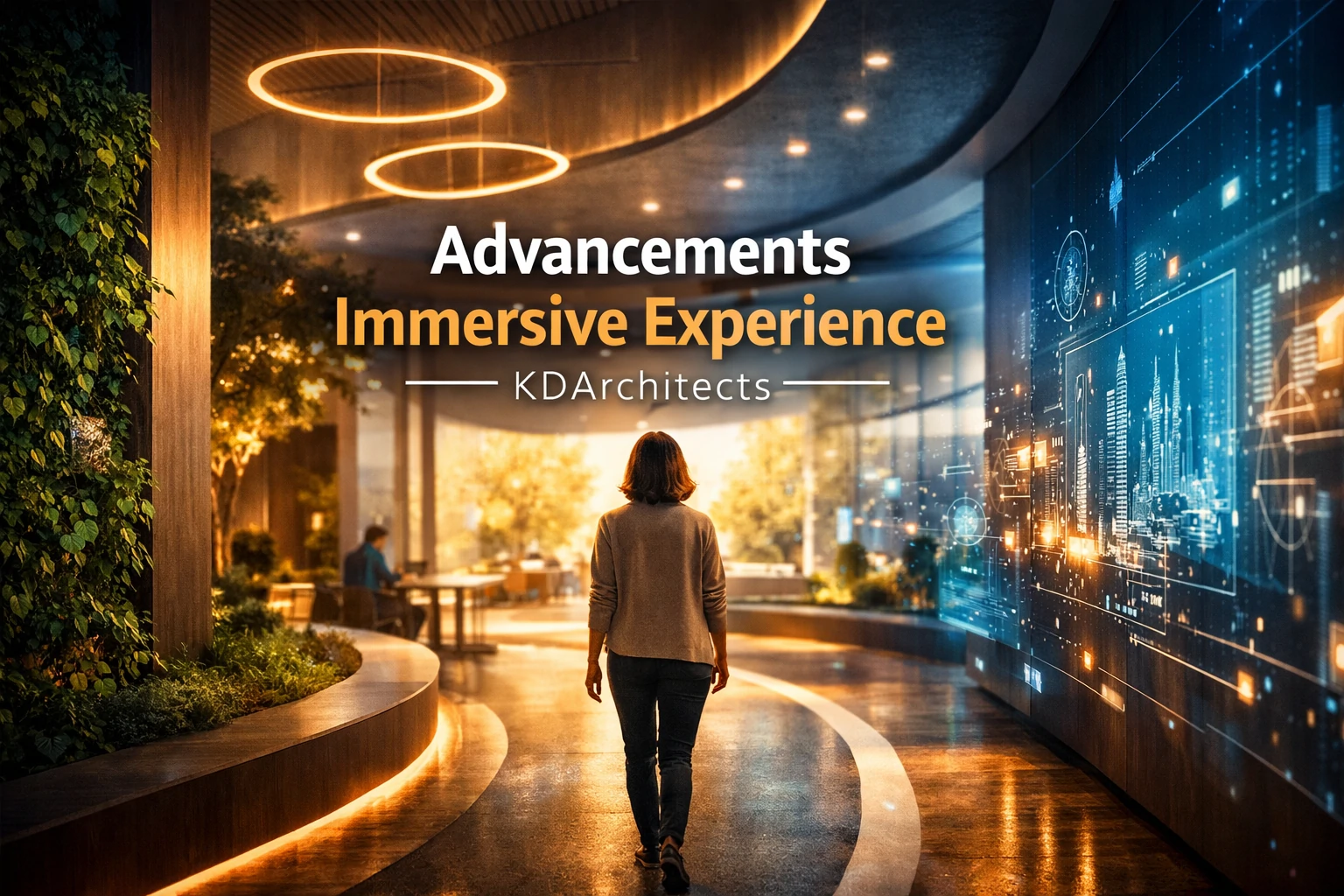
Design has always shaped how people feel in a space. A room can make someone feel calm, focused, or inspired. In modern architecture, this feeling has become the goal itself. It is no longer just about walls and ceilings. It is about experience. This shift has led to something new: immersive architecture.
KDArchitects saw this change early. They knew buildings needed to do more than stand tall. Their designs needed to speak. To connect. To respond. That is why KDArchitects started exploring immersive experiences as a core idea. They blend art, design, and digital layers to shape how people move, think, and feel inside buildings.
Immersion in design means full engagement. A person does not just walk into a room they enter a story. Light, sound, texture, and movement all work together. This makes the space feel alive. KDArchitects lead this work with care. They use both new technology and simple human needs to guide their designs.
This article explores how KDArchitects have changed the way people experience buildings. It covers their process, tools, design values, and the real impact of their spaces. It speaks to everyone from students to experts who wants to know where architecture is going next.
Rethinking What a Building Should Do
Buildings used to focus on function. Offices had desks. Hospitals had beds. Schools had halls. But now, buildings aim to do more. They aim to shape feelings, actions, and ideas.
KDArchitects started asking deeper questions. Can a space improve mental health? Can it guide behavior in a gentle way? Can it tell a story without saying a word?
They answered with bold designs. In their projects, rooms react to the person inside. Floors change texture near exits. Light shifts to match the time of day. Walls carry visual signals that guide people naturally without signs. These features do not shout. They whisper. They support people in smart, quiet ways.
This new kind of design creates spaces that talk not in words, but in tone and touch.
How Senses Change a Space
| Design Element | Purpose and Effect |
|---|---|
| Color | Sets emotional tone. Blue calms, yellow focuses, red alerts. Each shade affects mood in subtle ways. |
| Sound | Controls noise levels. Soft tones reduce stress in clinics. Sound panels sharpen focus in schools. |
| Texture | Guides touch and movement. Smooth wood relaxes the hand. Rough stone causes pause or caution. |
| Lighting | Follows time of day. Warmer tones at dusk relax. Bright light in the morning boosts alertness. |
| Flooring | Shapes walking behavior. Soft floors encourage calm steps. Firm textures increase pace or direction. |
Technology as a Design Partner
KDArchitects do not treat technology as a gadget. They treat it as a partner in design. They use digital tools to deepen human connection, not distract from it.
Smart lighting follows the sun’s rhythm. This helps people stay alert in the day and wind down at dusk. Interactive walls display stories or local art. Visitors can touch and explore. Rooms adjust to traffic patterns. Heat flows to places where people gather. Cooling fades in empty corners.
In some cases, KDArchitects use motion tracking to shape how people move through space. Sensors adjust light levels. Audio cues shift depending on footsteps. The goal is not control, it is response. The building behaves like a host that understands its guests.
Virtual reality helps in planning. Clients can walk through their building before it is built. They can give input early. This saves time, money, and confusion. It also makes the final product more personal.
Case Study: A Public Library that Learns
- Sensors track how people use rooms across the day.
- The building notices which seats fill first.
- Kids often choose the reading area near the windows.
- Light in those corners now dims after sunset.
- Study rooms stay warmer during cold seasons.
- Noise levels adjust when children enter the space.
- The building responds without asking the user to do anything.
- Visitors feel comfortable and calm, not controlled.
- Each change supports learning in a quiet, helpful way.
- This library acts like a partner, not just a building.
Blending Nature and Structure
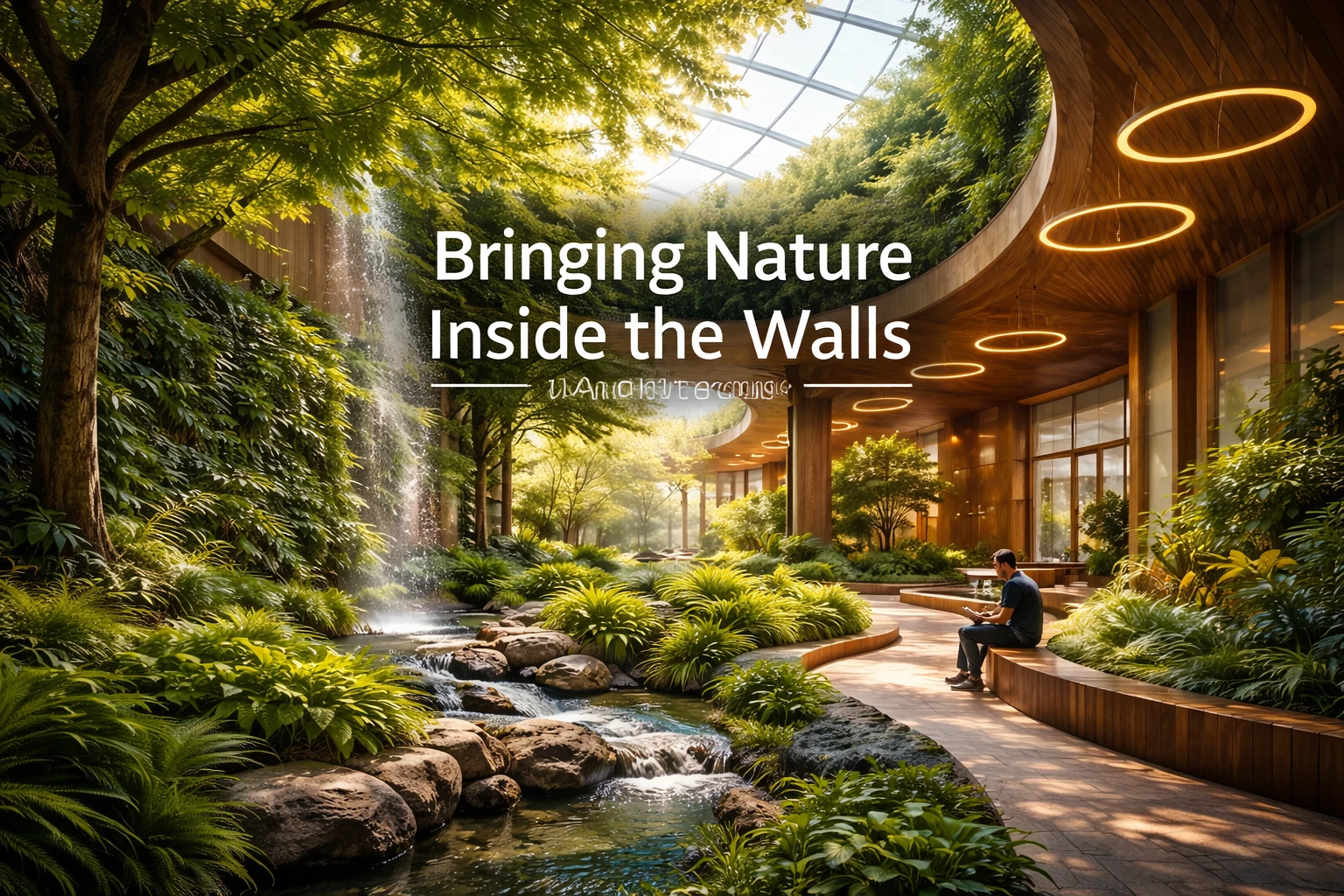
Immersive design does not stop with tech. KDArchitects also bring nature into their buildings. They use daylight, plant walls, and water sounds to make people feel rooted.
Many people live in dense cities. Nature fades. KDArchitects add it back. They build light wells that mimic the sky. They use moss on indoor walls. In offices, windows frame natural views. These features lower stress and boost focus.
Even airflow matters. Natural air paths make rooms feel fresh. They reduce the need for machines. They also match how old buildings used to breathe before modern HVAC.
This mix of nature and design helps people feel calm and alert. It also keeps the design grounded in life.
How They Involve the User
Immersion needs empathy. KDArchitects ask real people what they need before drawing the first line. They host small group talks. They walk the site. They watch how people live and work.
They do not assume. They ask.
If the design is for a school, they talk to teachers and students. If it is a hospital wing, they ask nurses and patients. Their goal is to make spaces that support people not just look good.
In many projects, users test early models. They give feedback in real time. KDArchitects adjust. They listen. They improve.
This process creates trust. It also builds spaces that feel like home, even on the first visit.
Spaces That Tell Stories
Some buildings hold facts. Others hold feelings. KDArchitects believe the best buildings tell stories.
In museums, schools, or public centers, every room can guide a visitor through a journey. It does not need signs or instructions. It uses space itself as the guide.
Walls may change color from room to room. Floors may rise and fall to mark a shift in tone. Ceilings may drop to signal a quiet zone or lift high to invite wonder. Each curve or corner plays a role.
KDArchitects plan the flow like a writer plans chapters. The opening is soft and wide. The middle grows tight and active. The final area opens again and gives space to reflect. This rhythm makes the building feel alive. It moves with the person. It speaks without noise.
Their goal is not to show power. It is to shape emotion.
Design That Reflects Human Emotion
Every space affects mood. This is not a theory. It is a fact. KDArchitects use this truth as a tool.
They design with emotion in mind. Not as decoration, but as a core goal.
In a rehab clinic, the design may aim to calm. Light enters in soft waves. Floors stay warm. Corners open wide. This gives people peace during recovery.
In a tech center, the design may aim to spark ideas. Bold colors hit the eye. Shapes break from flat lines. Spaces shift quickly from large to small. This invites motion and thought.
In a grief center, the space may honor silence. Walls hug the body. Paths curve slowly. Light enters through small gaps. The building gives permission to pause.
KDArchitects design each detail with the human heart in mind.
How VR and AR Add New Layers
KDArchitects also use virtual and augmented reality. But they do not treat them as toys. They use them with care.
Virtual reality helps in planning. Clients wear a headset. They walk the space before it is real. They see how rooms connect. They feel how light flows. They test views and angles.
This makes design honest. No hidden gaps. No false ideas. Clients speak up early. Changes come fast. Waste drops.
Augmented reality adds layers to real spaces. KDArchitects use it to guide, teach, or enhance. In one school, students scan a wall and see math tips. In a public space, AR helps visitors explore history in their native language.
These tools do not replace the space. They deepen it. They add depth without distraction.
Building Immersive Museums
Museums hold stories. But many fail to engage. KDArchitects change this. They turn quiet halls into vivid trails.
In one recent museum, they shaped the path like a spiral. Visitors follow the story in time, not by choice but by flow. The building leads, not the signs.
Light shifts with each zone. Audio whispers grow or fade. Some floors tilt just a bit. These tiny moves change how the body reacts. Visitors lean, pause, or turn without effort.
In one part, visitors can touch textures from old ruins. In another, they feel a warm breeze as they walk through a desert exhibit.
The museum feels like a living book. It does not demand attention. It rewards it.
How Design Changed After the Pandemic
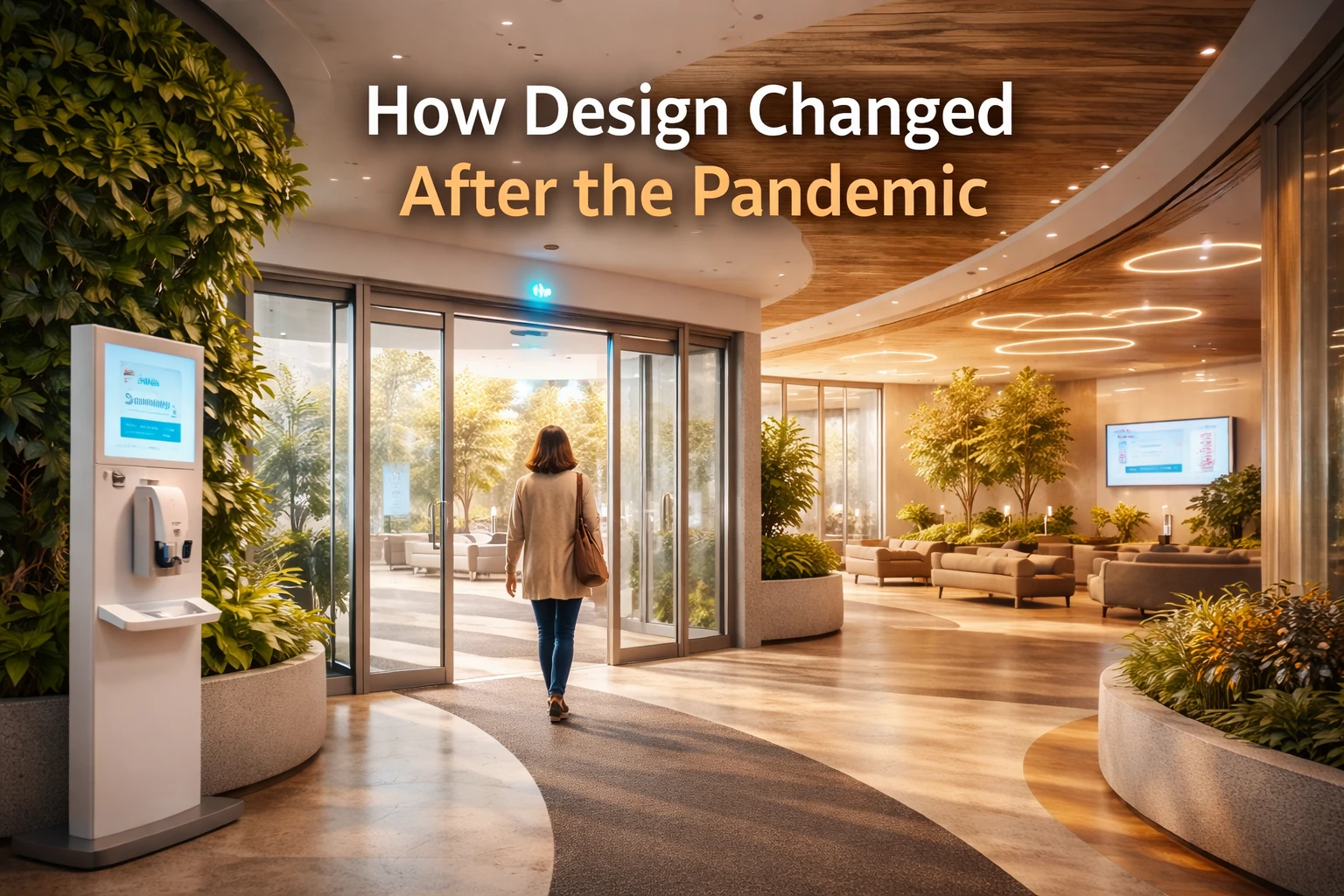
After the pandemic, people now think about space in new ways. Health, air, and distance matter more. KDArchitects responded fast.
They design rooms that breathe better. They use touchless doors, voice controls, and wider hallways. They rethink waiting areas, not as seats in a row, but as open zones that reduce stress.
They also add mental safety. Visitors feel in control. Paths stay clear. Light brings energy. Signs do not scold, they guide with calm.
Remote work changed offices too. KDArchitects now build zones, not cubicles. People move between quiet, semi-open, and social areas. This matches the human need for both focus and connection.
Their goal remains the same: respect the person, not just the plan.
User Freedom and Control
Immersion does not mean force. It means freedom within design. KDArchitects give users control without confusion.
In some homes, lights adjust to mood. But the user can always override. In clinics, doors open softly but only when safe. In theaters, seats adjust for people with different needs.
This mix of response and control builds trust. People feel supported, not tracked.
In one student housing project, each tenant sets their room mood with a small handheld remote. They choose the scent, sound, and light hue. This small change improves sleep, focus, and joy.
KDArchitects do not take freedom. They frame it.
How KDArchitects Influence Others
Many firms now follow KDArchitects’ path. Their style does not shout but it spreads. Younger architects copy the tone. Schools teach the values. City planners call them for insight.
KDArchitects share openly. They publish case notes. They speak at events. They show what worked and what failed. This builds trust and respect.
Their influence comes from honesty, not fame. They stay quiet but clear. They care more about the user than the spotlight.
That mindset earns them more than praise. It earns them results that last.
Real Impact on Daily Life
It is easy to praise grand ideas. But KDArchitects care about real people in real places. Their designs change daily life.
A child learns better in a calm school. A nurse feels less stress in a clean, well-lit clinic. A worker focuses longer in a space that supports the body and mind.
These results do not come from luck. They come from design that listens.
When a building feels right, people thrive. That is the truth behind immersive design.
Design That Puts People First
Immersive design is not a trend. It is a shift. It marks a deeper truth. Spaces shape people.
KDArchitects understand this. They do not just build. They ask, sense, and respond. They blend light, air, sound, and shape into a story.
They design not just for use, but for experience.
Each project shows care. Each space holds a soul. KDArchitects remind the world that architecture can do more. It can heal, teach, comfort, and inspire.
In this age, design must serve humans. That is the core of immersive work. And that is the legacy KDArchitects continue to build.
Frequently Asked Questions
What makes a building feel immersive?
A building feels immersive when it reacts to human needs. It uses light, sound, space, and texture to guide people gently without commands. The experience feels smooth, not forced.
How does KDArchitects design emotional spaces?
They study how people feel in each type of room. Then they use shape, color, airflow, and quiet cues to support that mood. Each space supports the body and mind together.
Do these designs cost more than regular buildings?
Some features may raise cost in the short term. But they reduce waste, improve comfort, and lower stress. Over time, the value shows in health, focus, and energy savings.
Can immersive design work in old buildings?
Old buildings can adopt immersive features. Designers update lighting, sound control, and layouts without removing history. The result blends tradition with better user experience.
Why do users feel more comfortable in these spaces?
The design fits the person, not the plan. People do not need signs or help to move. They feel safe, calm, and seen. That comfort builds trust with the space itself.



Pingback: Decoradhouse Tips from DecoratorAdvice for Easy Home Styling