
Interior design can change how your home feels. Good design makes your space calm and useful. Many people look at rooms and think they want change. They want something that feels right. They want rooms that match their taste. Some try design without a clear plan. This leads to stress and wasted money. You can learn simple steps that help you design well.
This guide will help you learn interior design in clear steps. The tips are easy to follow. You will find simple advice that works for beginners and people with some design experience. You will learn about choosing colors, placing furniture, using light, picking accessories, and planning every room.
Good design does not need a big budget. You need a plan and clear ideas. You need to know what you want. I will show you how to work with what you have. You can make big changes with small steps. You can change one room or update your whole home.
This article gives you a complete path to become better at design. You will find tips that make sense. You will find steps that you can do at your own pace. This guide will help you feel confident with your design decisions.
What Is Interior Design?
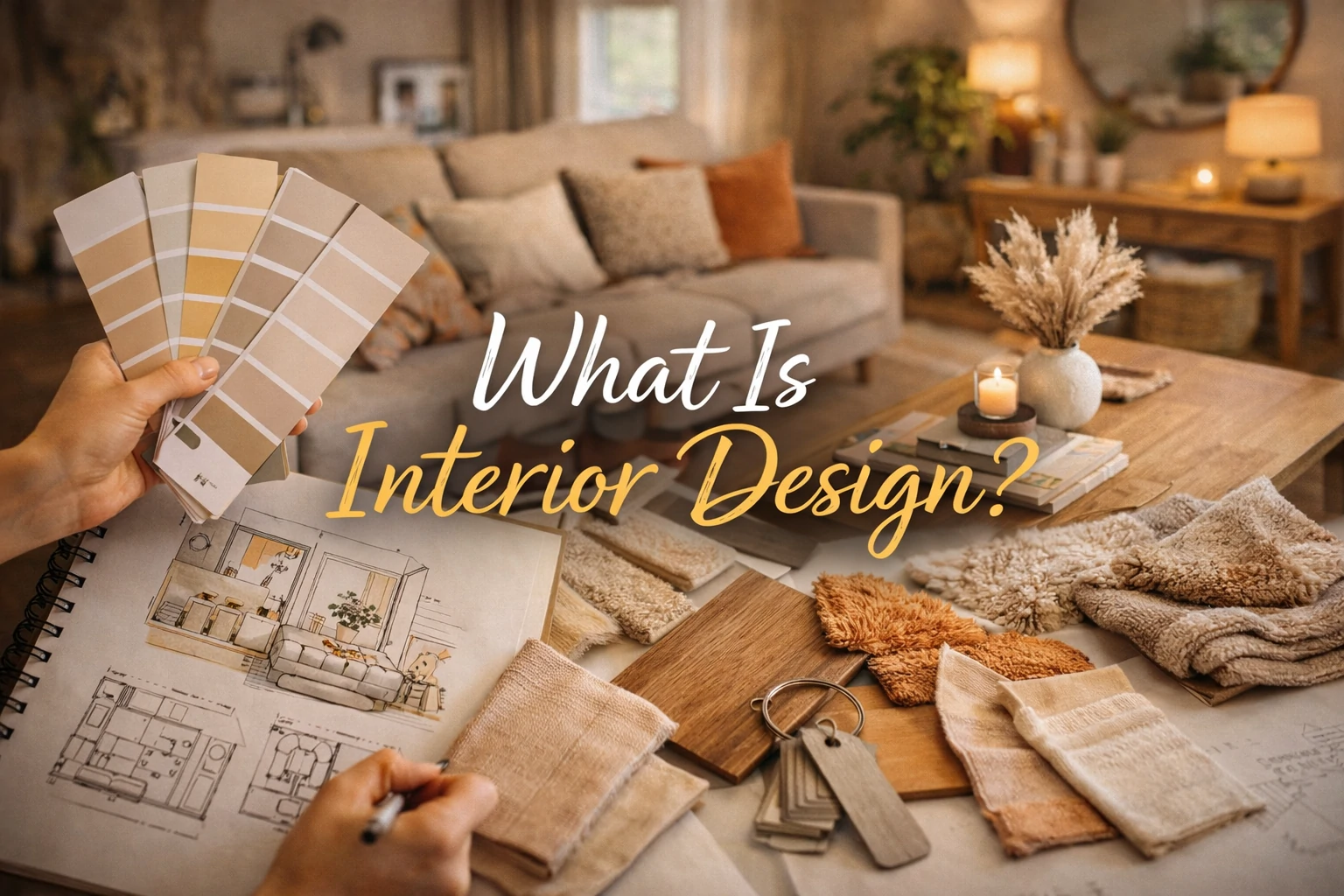
Interior design is more than pretty pictures. It is the art of making spaces useful and beautiful. Good interior design makes spaces work for you. It helps rooms feel open, cozy, or bold. A well-designed room tells a story. You can explore more on why interior design is interesting to see how design shapes mood, purpose, and space.
Design is about choices. You choose colors, shapes, and lights that match your taste. You choose how you want to live in a space. You can reflect your style in every room.
Interior design touches every part of the house. It includes floors, walls, ceilings, and furniture. It covers small details like hooks and big things like sofas. All these parts should work well together.
Every Great Design Starts with a Thoughtful Pause
Great design always starts with a plan. A plan gives you a clear path. Without a plan, you might pick things that do not fit. You might spend more money and lose time.
Begin with a list of rooms you want to fix. Write what you want to improve. Think about how you use each room. Ask hard questions. Do you want more space? More light? A certain style?
Next, set a budget. A budget helps you control your spending. Know what you can spend before you buy. A budget keeps you calm. It stops you from buying things you do not need.
Take time to research. Look at design books and online images. Save pictures that match your taste. These pictures help you see patterns in your style. You might like modern looks or cozy rooms. Seeing examples helps you make clearer choices.
Know Your Style
Everyone has a unique style. Some like modern looks with clean lines. Others like warm rooms with soft textures. If you love deep colors and rich detail, Victorian Gothic interior design may match your taste. Some like color and bold art pieces. Some like calm tones and simple forms.
Take time to find your style. Study images you saved. Look for repeated patterns. Do you see soft colors or strong ones? Do you see wood or metal? Do you see many cushions or plain furniture?
Your style should reflect you. It should make you feel at home. Do not copy every trend you see online. Trends change quickly. Your style should last long.
Once you know your style, use that as a guide. It will help you choose colors, fabrics, and furniture. You will feel more sure when you pick items.
💭 Pause and Think
Look around your current space. What three words describe how it feels right now? Cozy? Dull? Bright? Now ask—does that match what you want? Sometimes, knowing your style starts with knowing what feels wrong.
Choose a Color Palette
| Color Type | Effect on Room | Best Use Areas | Tips |
|---|---|---|---|
| Main Color | Sets the base tone of the room | Walls, ceilings, large furniture | Choose a tone you like and test with samples |
| Accent Colors | Adds visual interest and contrast | Cushions, rugs, wall art | Use 2-3 accent colors that match the main tone |
| Neutral Colors | Creates calm and balance; blends with many styles | Background walls, sofas, floors | Easy to update with seasonal decor |
| Bright Colors | Makes space feel lively or dramatic | Small decor items, artwork, accessories | Avoid too many in one room |
| Dark Colors | Adds depth and warmth; makes space feel cozy | Feature walls, curtains, furniture | Use in rooms with good lighting |
Balance Big and Small Pieces
Good design needs balance. If the furniture is too big, the room feels crowded. If it is too small, the room feels empty. You want a look that feels right.
Measure your room first. Know the size of walls, doors, and windows. Then measure furniture you like. This stops you from picking items that do not fit.
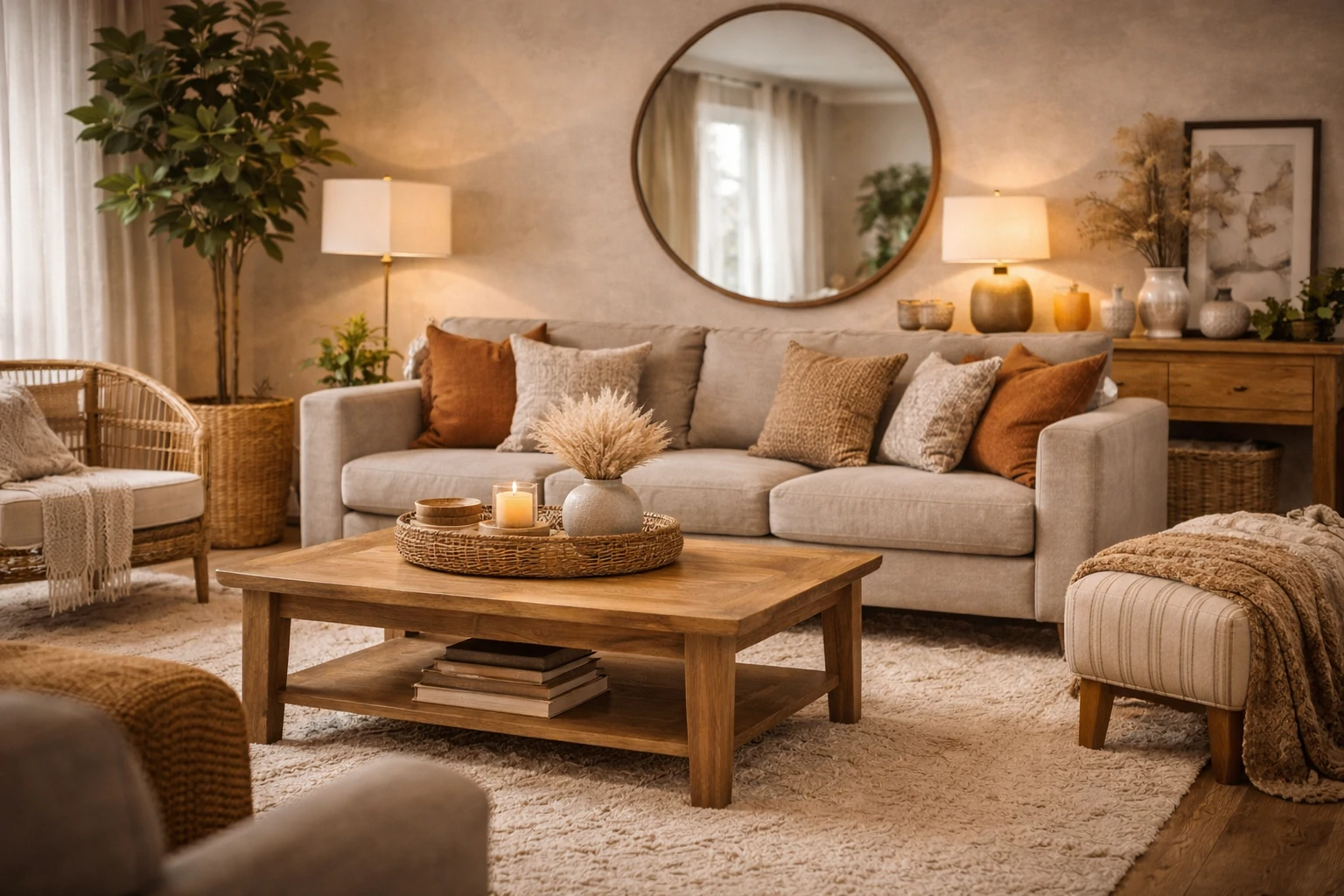
Large furniture should go first. Place sofa and dining table in good spots. Leave space to walk around easily. Do not block doors or windows.
Small items like lamps, stools, and cushions come after. These add personality. They do not take much space. They help tie the room together.
Think about how every piece works with others. A heavy dark sofa needs lighter items nearby. A small table needs chairs that match its height. These small details make a room feel complete.
Use Light Well
Light changes how rooms look and feel. Good lighting makes spaces feel open and warm. Poor light makes rooms feel dark and tight.
Look at natural light first. Windows are your best source. Let as much light in as you can. Use light curtains or blinds that open wide. Do not block windows with large furniture.
Add lamps in dark corners. Floor lamps and table lamps give soft light. They make rooms feel cozy at night. Use warm bulbs in living rooms and bedrooms. Warm light feels soft and calm.
🌟 Personal Tip from Real Life
When I first updated my bedroom, I focused only on colors and layout. But at night, the room felt flat. I didn’t think much about lighting. After adding one floor lamp with a warm bulb near the corner chair, everything changed. Now, the space feels soft and calm after sunset. Light shapes mood more than we expect, start with lamps if your room feels “off” in the evening.
In kitchens and work areas, use bright light. You want clear views in these spaces. Under-cabinet lights help you see the counter surface.
Mix light sources. Do not rely on one ceiling light. A mix of lamps and fixtures adds depth. It makes rooms look rich and lively.
Pick the Right Furniture
Furniture affects how you move in a room. It changes how you feel in a space. Choose furniture that fits your needs and room size.
Pick pieces that match your style. If you like simple design, choose clean shapes. If you like classic looks, choose curves and wood.
Look at comfort too. A stylish chair is not good if it hurts your back. Sit on sofas and chairs before you buy. Comfort matters every day.
Create clear walking paths. People should move without bumping furniture. Leave space near doors and windows. Good flow makes rooms feel calm.
Textures and Fabrics Matter
Texture brings life to a room. Without it, the space can feel flat or cold. When you add texture, the room feels warm, layered, and more inviting. It gives depth without needing bold color or busy patterns.
Soft fabrics make a big difference. Use them on cushions, blankets, and rugs. These items add comfort and help separate areas in open rooms. Rugs, in particular, make floors feel cozy and mark space without walls.
Balance is key. Mix smooth and soft materials. A sleek table looks better with woven or fabric chairs. A leather sofa feels richer next to a cotton or wool rug. Avoid filling the room with only rough textures, they can make the space feel too harsh. A good mix keeps things balanced and comfortable.
Arrange Art and Accessories
- Hang art at eye level
- Use mirrors to reflect light and open space
- Group decor in odd numbers (like sets of 3)
- Place small objects on tables and shelves
- Avoid clutter, keep only what you love
Use Rugs to Define Areas
Choose a rug that fits the room size. A rug that is too small makes the space feel off.
Place the front legs of sofas and chairs on the rug to connect the seating area.
Use rugs to separate spaces in open layouts, such as living and dining areas.
Place bedroom rugs under the bed with space showing on both sides.
Match rug colors with the main room palette to keep the design balanced.
Choose soft textures to add comfort and warmth underfoot.
Leave a small border of floor visible around the rug for a clean look.
Pick durable rugs for high‑traffic areas like living rooms and hallways.
Work With What You Have
You do not need to buy new items each time. You can improve what you have.
Clean old furniture and polish wood. Change old knobs on drawers. New handles change the look quick.
Paint old cabinets or tables. A fresh color can make them new. Replace old cushion covers. New fabric changes the style.
Move furniture around. A new layout can feel like a new room. Try positions that open space and let light flow.
These simple steps save money. They make your space look fresh without big spending.
It’s the Little Things That Make a Home
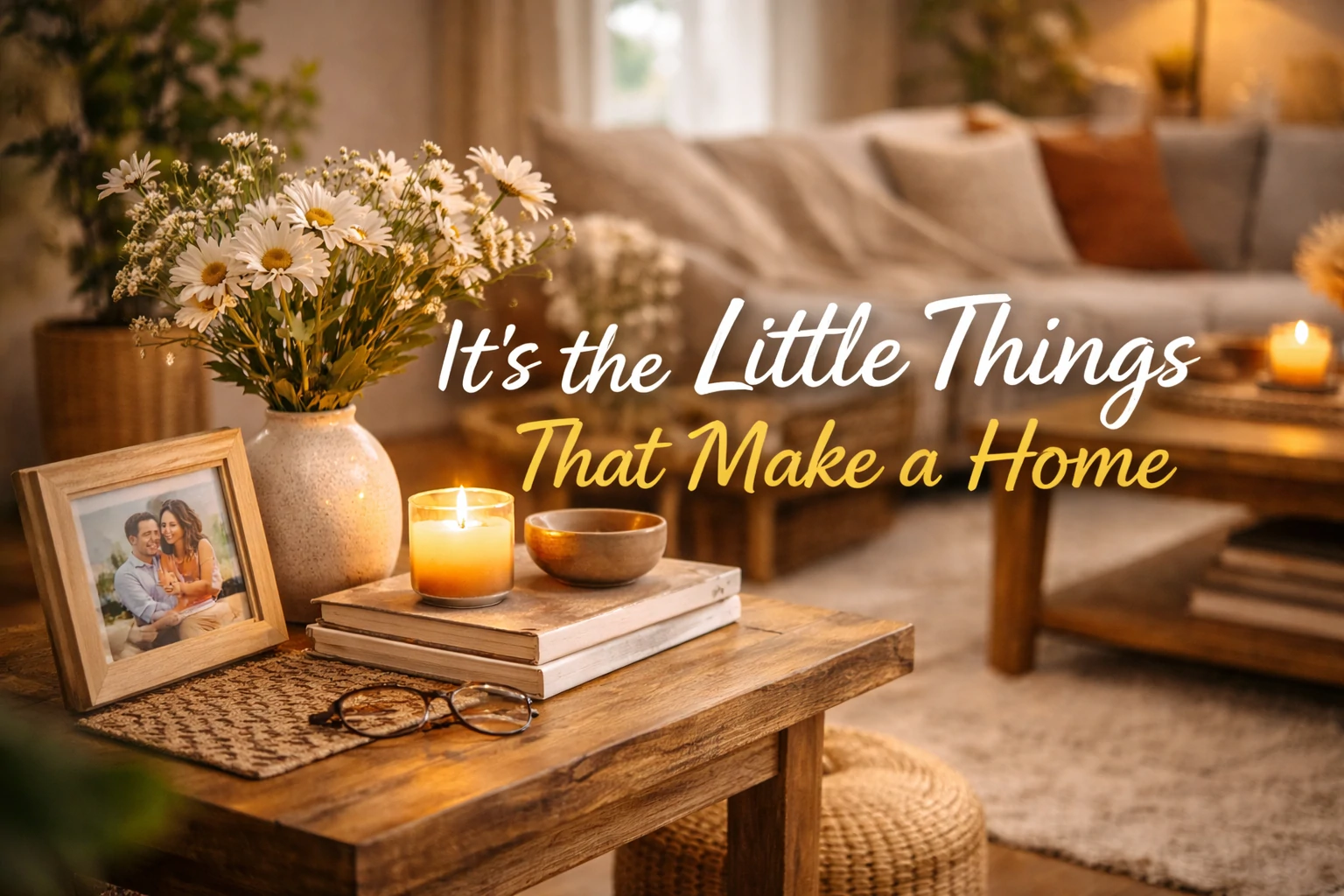
Small design choices matter more than people think. Cabinet handles, curtain rods, and light fixtures may seem minor, but they help tie everything together. Pick finishes and colors that match your room’s style.
Add simple touches that bring warmth. A few plants add soft color and life. Baskets hide clutter and give texture. Folded throws on chairs or sofas keep the space neat and cozy.
Don’t forget switches and socket covers. When they match the walls, they blend in and complete the look. These details may be small, but they help your space feel finished, clean, and calm.
Learn From Mistakes
- Mistakes are part of the design journey. Do not let them stop you.
- If a design choice fails, fix it and move forward.
- Repaint if the color feels wrong in real light.
- Move or swap out furniture if the size feels off in the room.
- Each design decision, good or bad, teaches you something useful.
- Ask friends or family for honest opinions, they may spot what you miss.
- Choose feedback that helps you stay true to your personal style.
- Take your time. Rushing leads to more errors and wasted effort.
- Enjoy the process and test new ideas in small steps.
Design Each Room With Purpose
| oom | Main Purpose | Design Focus |
|---|---|---|
| Living Room | Family and guest space | Group seating, open layout |
| Kitchen | Cooking and eating | Bright light, clear counters |
| Bedroom | Sleep and rest | Soft light, calm colors, privacy |
| Entryway | Welcome and flow | Storage, rug, mirror |
Use Storage to Stay Neat
Clutter can ruin the feel of a room. Even the best design looks messy if things are all over the place. Good storage keeps your space clean, calm, and easy to live in.
Use shelves, baskets, bins, and closets to stay organized. Choose smart options that match your room’s size and look.
Match your storage to the room’s purpose. In the kitchen, use drawers, racks, and wall shelves. In the living room, baskets and low cabinets work well. In bedrooms, closets and dressers handle clothes and linens.
Hide what you do not use every day. Things like tools, wires, or spare items should stay out of sight. Neat spaces help your mind stay clear. Mess creates stress.
Well-placed storage keeps design clean and helps your home feel open and welcoming.
Natural Touches That Make Rooms Feel Alive
Natural elements make rooms feel fresh and alive. Wood and stone bring calm energy. Plants add soft shapes and natural color.
Pick low-care plants if you have a busy life. Place them in corners, on shelves, or near windows. They help clean the air and add charm.
Use wood bowls, trays, or picture frames to add warmth. Natural fibers like jute or cotton also soften the space. These materials feel real and grounding.
Adding nature to your home creates peace. It keeps the design simple and full of life.
Bringing It All Together
Interior design is a journey. It does not happen in one day. You grow with every choice. Good design starts with a plan. Knowing your style helps you make better decisions. Choosing colors, light, furniture, and small details makes rooms feel right.
Measure your space and pick pieces that fit. Use light to lift rooms. Mix textures to add depth. Add personal art and objects that tell your story. Keep spaces neat with smart storage. Use what you have and improve it step by step.
Design each room with purpose. Make choices that help you live better. Fix mistakes and learn from them. Good design should help you feel calm and happy at home.
Trust your taste. Use these steps to guide your choices. Keep learning and enjoy the change in your space. A well-designed home brings joy, comfort, and peace. You can be better at design one step at a time. You can make your home truly yours.



Pingback: Afruimwagens 2026: Smart Farm Carts That Still Work
Pingback: Interior Decoration Tips Mintpaldecor Uses at Home
Pingback: Adam Sandler House and His Surprisingly Simple Life